.png)
 2 months ago
45
2 months ago
45

File picture of a customer buying chicken at the Chow Kit wet market in Kuala Lumpur, October 30, 2023. — Bernama pic
(New users only) It's tax relief season! Get up to RM300 when you save with Versa! Plus, enjoy an additional FREE RM10 when you sign up using code VERSAMM10 with a min. cash-in of RM100 today. T&Cs apply.
By Muhammad Yusry
Monday, 25 May 2026 1:44 PM MYT
KUALA LUMPUR, May 25 — Putrajaya today urged Malaysians to compare prices and make informed purchasing decisions amid the ongoing global supply pressures linked to the West Asia conflict.
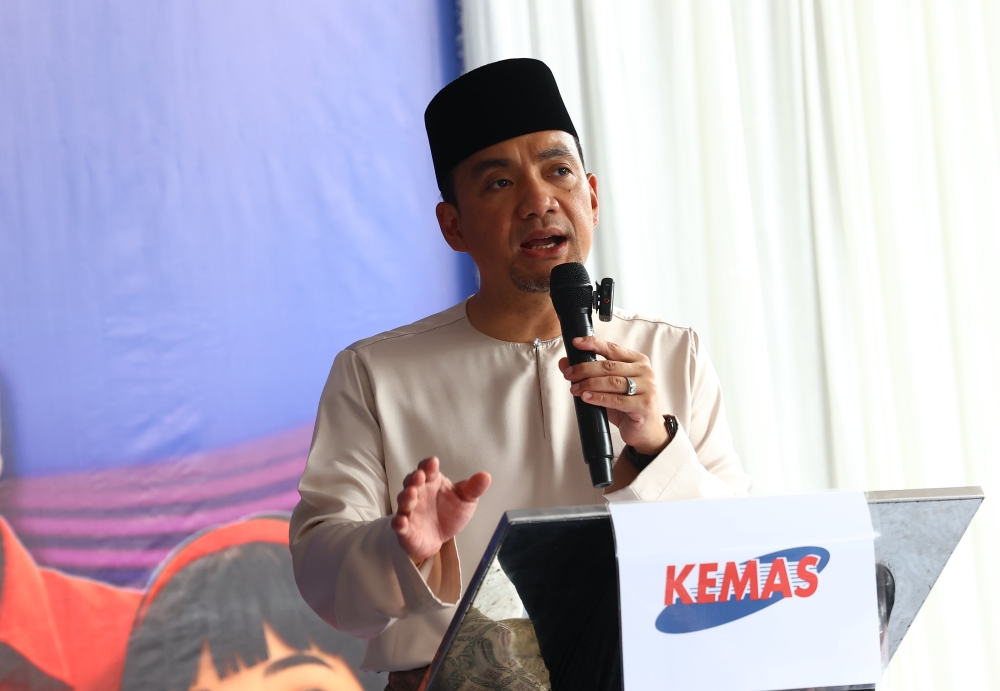
Economy Minister Akmal Nasrullah Mohd Nasir said the government is continuing weekly monitoring of domestic food prices while encouraging the public to use the government-run PriceCatcher mobile application to check and compare prices before making purchases.
“To the public, we encourage the use of the PriceCatcher application. Compare prices. Be a smart consumer because purchasing power lies in your hands,” he said.
He said this during a livestreamed briefing after the 12th meeting of the National Economic Action Council (MTEN).
Akmal said overall domestic food prices between May 18 and 21 remained under control, with price movements ranging between a decline of 2 per cent and an increase of 3.6 per cent.
The average price of chicken currently stands at RM9.57 per kilogramme, while beef prices declined 2 per cent to RM38.45 per kilogramme.
However, mustard greens recorded a 3.6 per cent increase to RM7.08 per kilogramme.
Akmal also warned traders against taking advantage of the current situation, saying the government would continue monitoring and enforcement efforts.
He added that consumers can also monitor price information through the Supply Crisis Monitoring Dashboard, which has been opened for public access.






 English (US) ·