.png)
 2 hours ago
2
2 hours ago
2
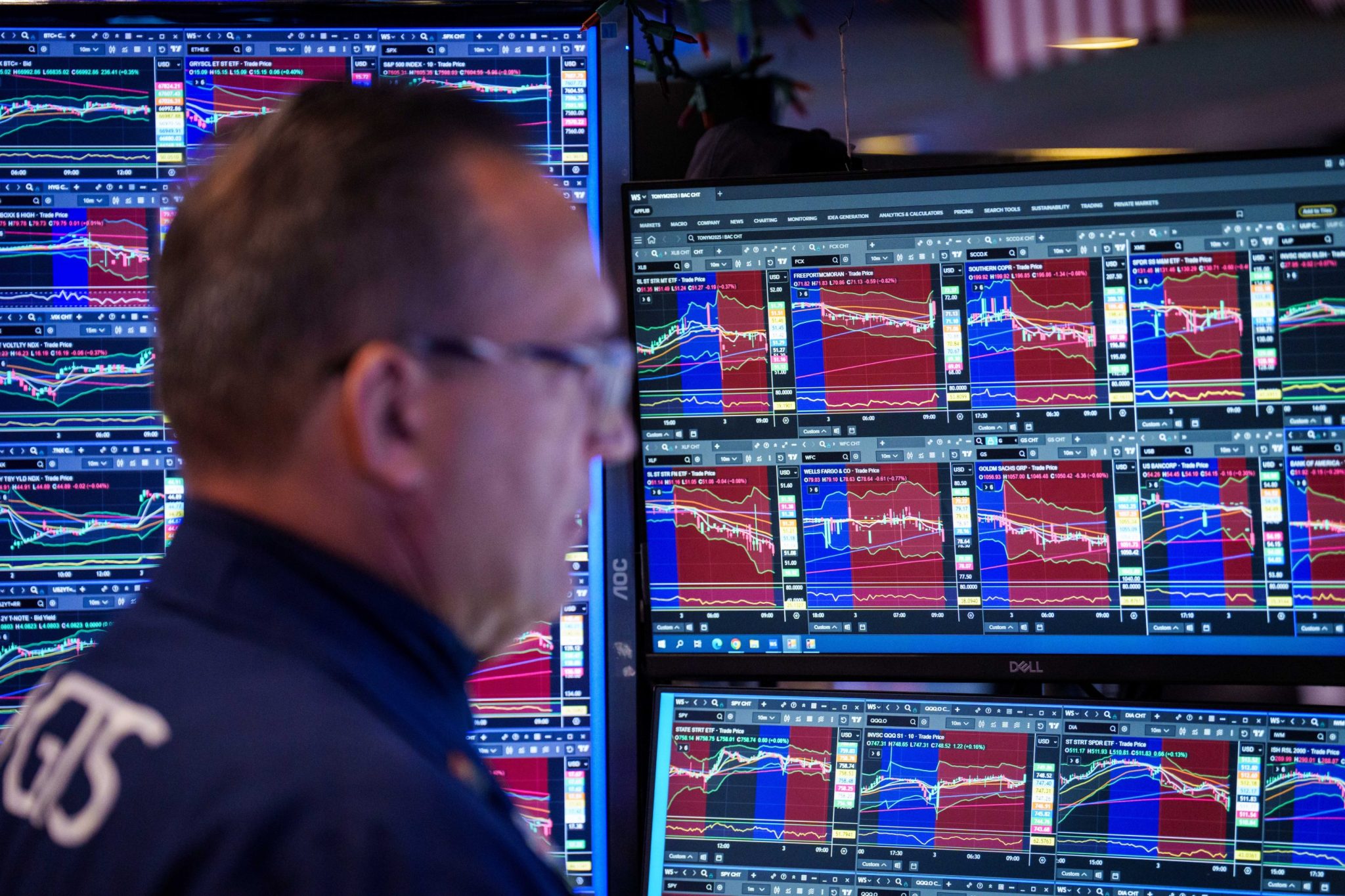
The US stock market experienced its worst day since October on Friday, as a sell-off in big technology companies weighed heavily on the broader market. The S&P 500 sank 2.6%, its biggest one-day drop since October 10, when the Trump administration threatened to impose a 100% tariff on imported goods from China. The losses sent the benchmark index into its first losing week in the last 10, leaving investors reeling and sparking concerns about the future of the economy.
Background & Context
The US stock market has been a dominant force in the global economy, with technology stocks leading the charge. Companies like Nvidia, Broadcom, and Micron Technology have powered the S&P 500 to a series of records over the past two months. However, their pricey valuations have made them vulnerable to market fluctuations, and the recent sell-off has exposed the underlying weaknesses in the market.
The strong jobs report released on Friday has added fuel to the fire, as it suggests that the economy remains solid despite the squeeze inflation is putting on businesses and consumers. The report showed that the US added a surprising 172,000 jobs in May, which has increased expectations that the Federal Reserve will be forced to hike interest rates at some point this year.
Key Details
The Dow Jones Industrial Average fell 1.4%, while the Nasdaq composite slumped 4.2%, with tech stocks dragging the broader market lower. Nvidia fell 6.2%, Broadcom dropped 7.9%, and Micron Technology slid 13.3% for the biggest loss among stocks in the S&P 500. Shares in Meta fell 5.5% following a published report that the social media giant may seek to do a new stock offering to raise funds for spending on AI infrastructure.
The bond yields jumped after the strong jobs report, with the yield on the 10-year Treasury rising to 4.54% from 4.50% just before the report was released. The yield on the 2-year Treasury, which more closely tracks the Fed's actions, jumped to 4.16% from 4.04% just prior to the report.
What Experts Say
"Any hopes of a Fed rate cut have effectively been eliminated with this morning's strong jobs report," said Ronald Temple, chief market strategist at Lazard, in a research note. The market sees a better than 60% chance the Fed will push rates higher by the end of the year, according to CME FedWatch, and little to no chance of a cut.
The Fed has been holding interest rates steady as it tries to gauge the ongoing impact from rising inflation. Prices were already ticking higher from the impact of tariffs, and the US war with Iran has essentially blocked crude oil shipments from moving through the Strait of Hormuz. The price of Brent crude, the international standard, fell 2% to settle at $93.09, which is still higher than its pre-war level of around $70 per barrel.
Key Takeaways
- The S&P 500 sank 2.6%, its biggest one-day drop since October 10.
- Technology stocks led the sell-off, with Nvidia, Broadcom, and Micron Technology falling significantly.
- The strong jobs report has increased expectations that the Federal Reserve will hike interest rates at some point this year.
- The bond yields jumped after the strong jobs report, with the yield on the 10-year Treasury rising to 4.54%.
What This Means For You
The recent market turmoil has significant implications for everyday investors. With the Fed expected to hike interest rates, it may become more expensive to borrow money, which could impact consumers and businesses alike. Additionally, the sell-off in tech stocks has exposed the underlying weaknesses in the market, which could lead to further volatility in the coming weeks.
As the market continues to navigate these uncertain times, it's essential for investors to stay informed and adapt to changing circumstances. Consider diversifying your portfolio, reducing risk, and focusing on long-term goals. Remember, market fluctuations are a normal part of the investment cycle, and history has shown that markets always recover from downturns.






 English (US) ·