.png)
 4 months ago
28
4 months ago
28
A loud future starts with Elon Musk
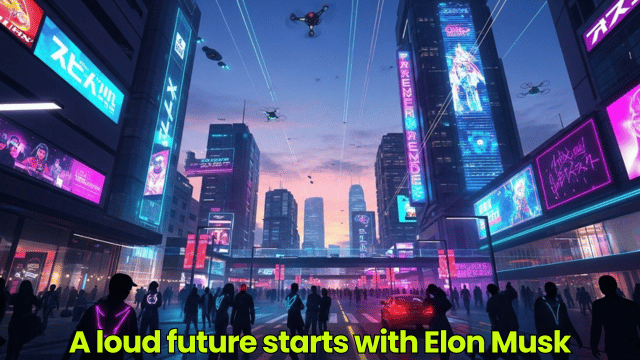
Elon Musk is impossible to ignore, and honestly, that is the point. His name moves markets, minds, and headlines with remarkable consistency. For years, I have followed his journey closely, and my notes keep getting longer with each passing month. His vision touches technology, space exploration, business ventures, and our daily lives in ways both subtle and dramatic.
Musk blends bold, revolutionary ideas with messy, controversial execution, and I love debating that complex mix. Some people roll their eyes at his antics, while others cheer enthusiastically from the sidelines. Either way, the future keeps his fingerprints all over it. His influence on innovation, from electric vehicles to space travel, cannot be overstated. Whether you admire him or criticize him, Musk's impact on the twenty-first century is undeniable and continues to grow.
From South Africa to the world stage
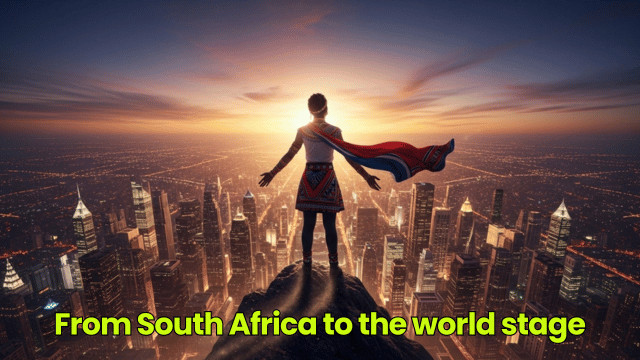
Elon Musk was born in Pretoria, South Africa, and that geographical detail matters more than many realize. Growing up in South Africa during turbulent times shaped his early views on power, risk, and survival in fundamental ways. His father, Errol Musk, often comes up in reports and interviews, adding complexity to his backstory.
The family story is complicated, marked by challenges and tensions, and I will not sugarcoat it for convenience. Musk left South Africa as a young man and chased opportunity with stubborn, relentless focus that would become his trademark. That decisive move set the tone for everything that followed in his extraordinary career. He understood early that comfort zones produce mediocrity, while calculated risks open doors to possibility. His South African roots gave him resilience and a hunger that fuels his ambitions today.
A curious kid with a computer and a video game
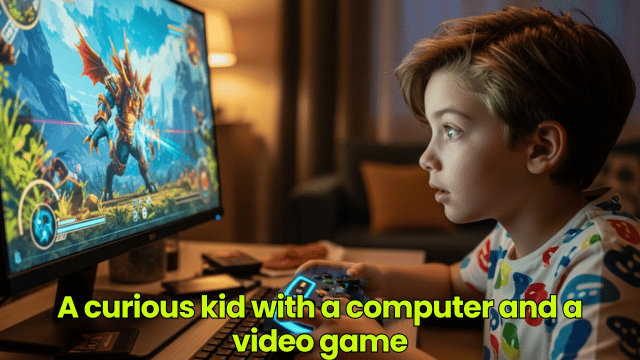
As a kid, Elon Musk loved a computer more than small talk or typical childhood distractions. He learned coding early, teaching himself programming languages with impressive dedication and natural aptitude. At just twelve years old, he built a simple space-themed video game called Blastar, which still amazes me to this day. That video game was sold to a computer magazine for approximately five hundred dollars, marking his first entrepreneurial success. His first childlike wins showed a clear pattern of curiosity, self-directed learning, and practical application.
He learned by doing, not by waiting for permission or perfect conditions to present themselves. That habit of action-oriented learning stayed with him through university and beyond, shaping his approach to problem-solving. His early fascination with technology laid the foundation for ventures that would eventually revolutionize multiple industries worldwide.
READ ALSO: Computer Assisted Interview Tips That Make You Stand Out
The messy human side and family chapters
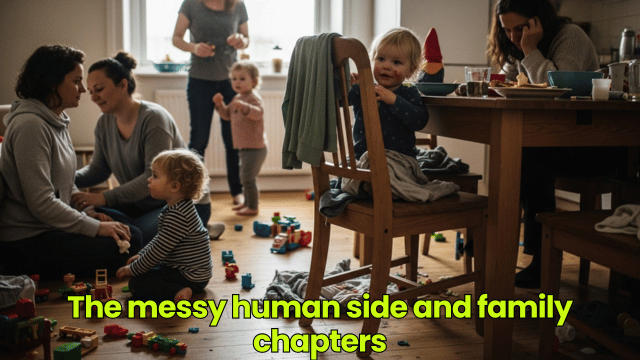
Elon Musk's family life is simultaneously public and private, existing in a complex media spotlight. He has spoken openly about his first child, Nevada Alexander, who tragically died from sudden infant death syndrome. That deep loss marked him permanently and influenced his perspective on life's fragility and preciousness. His marriage to his then wife Justine Wilson and later second divorce from Talulah Riley drew considerable media attention.
I do not judge his personal choices lightly, but they matter when understanding the complete person behind the headlines. Family stress often runs alongside intense ambition, creating tension that shapes personality and decision-making. That tension explains parts of his sometimes erratic behavior and his drive to achieve seemingly impossible goals. Balancing global business empires with personal relationships proves challenging for anyone, especially under constant public scrutiny and judgment.
Children, names, and the human headline
Musk named one of his children X Æ A-XII, and the world reacted with bewilderment, curiosity, and criticism. The story mixed humor and judgment in equal measure, dominating social media conversations for weeks afterward. His children live under exceptionally bright lights, photographed and discussed despite their young ages and lack of consent. I feel genuine empathy here, recognizing the challenges of growing up with famous, controversial parents. Fame follows family whether they want it or not, creating pressure that most people never experience.
His unconventional approach to parenting and naming reflects his broader rejection of social norms and traditions. While some view this as creative freedom, others see it as unfair to children who deserve normal childhoods. The debate continues, but the reality remains that Musk's children navigate a unique, complicated existence shaped by their father's celebrity.
The PayPal chapter and internet access dreams
Musk co-founded companies focused on internet access and digital payments during the early days of the web. One company, X.com, merged with Confinity and was later renamed PayPal, and that moment fundamentally changed his life trajectory. PayPal revolutionized online payments, making e-commerce safer and more accessible to millions of users worldwide daily.
The company was acquired by eBay in 2002 for 1.5 billion dollars after a deal that shocked many industry observers. That exit gave him substantial capital and unshakeable confidence in his ability to build transformative companies. I see this as the first big proof point in his career, demonstrating he could execute ambitious visions successfully.
He learned how platforms scale exponentially and how services reach the world through network effects and smart design. This experience became foundational knowledge for everything that followed in his remarkable entrepreneurial journey.
Tesla arrives and shakes the auto industry
Tesla was not supposed to win against established automotive giants, yet it defied every expectation and succeeded spectacularly. Musk became the CEO and product architect in 2008, and that dual role shaped everything about the company's direction. Tesla cars felt different, looked different, and sold a compelling vision of the future rather than mere transportation.
Tesla investors watched nervously as financial risks piled up, with the company nearly going bankrupt multiple times. The company pushed electric vehicles into mainstream conversation, changing public perception about sustainable transportation options forever. I saw the goal of producing one million cars annually transform from an impossible dream into achievable reality.
Tesla's success forced traditional automakers to accelerate their own electric vehicle programs, creating industry-wide transformation. Today, Tesla stands as proof that audacious vision combined with relentless execution can disrupt even the most entrenched industries.
READ ALSO: Sports Vehicles People Obsess Over
SpaceX and the hunger for space
Musk founded SpaceX in 2002 because rockets felt too expensive, inefficient, and slow for his ambitious space dreams. He founded the company with a deceptively simple question: why does accessing space cost so much more than necessary? SpaceX changed launch economics through concrete, innovative steps like developing reusable rocket boosters that land vertically after missions.
The company focused obsessively on reuse and rapid iteration, treating failures as learning opportunities rather than devastating setbacks. I admire how spectacular failure became fuel for eventual success, with early rocket explosions teaching valuable lessons. Space exploration desperately needed that shake-up, as government agencies had grown complacent and slow-moving over decades.
SpaceX now launches more rockets than any other organization globally, delivering satellites, supplies, and astronauts to orbit regularly. The company's achievements have reignited public imagination about humanity's future beyond Earth's atmosphere and gravitational pull.
READ ALSO: Stealth Startup Launches Nobody Saw Coming
Colonize Mars and the interplanetary dream
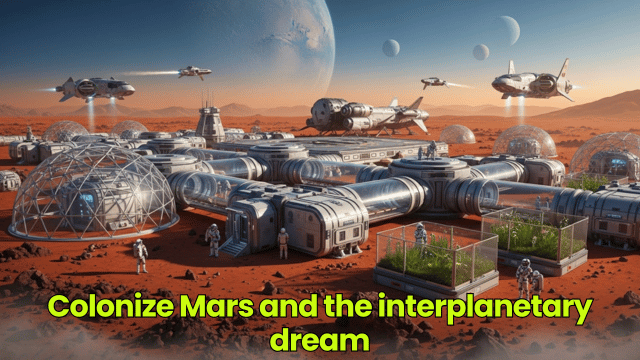
Yes, Musk genuinely wants to colonize Mars and establish a self-sustaining human presence on another planet. He talks passionately about humanity becoming an interplanetary species, ensuring our long-term survival beyond Earth alone. Some laugh dismissively at this ambition, but I listen carefully to his reasoning and underlying motivations.
Earth is precious and beautiful, yet fragile and vulnerable to catastrophic events both natural and human-caused. Space offers insurance for life, protecting humanity from extinction-level events that could destroy our single planetary home. That idea feels wild and improbable, yet oddly logical when considering the vast timescales of cosmic history. His Mars colonization timeline may be overly optimistic, but the direction itself merits serious consideration and investment. Whether achieved in our lifetimes or not, pursuing such goals drives innovation with benefits that ripple across industries.
Artificial intelligence and loud warnings
Artificial intelligence simultaneously excites and scares Musk in ways that seem contradictory but make underlying sense. He warns loudly about existential risks while simultaneously funding AI development through companies like Neuralink and xAI. I respect this delicate balance, even if it feels tense and occasionally hypocritical to outside observers.
Technology moves faster than regulatory frameworks, creating dangerous gaps between capability and oversight that worry him deeply. Musk wants meaningful safeguards and safety protocols without killing progress or stifling beneficial innovation completely. That is a genuinely hard line to walk, requiring nuance that gets lost in polarized debates.
His concerns about superintelligent AI potentially posing threats to humanity deserve consideration, not dismissal as alarmist. By engaging with AI development directly, he hopes to steer it toward beneficial outcomes rather than catastrophic ones.
Twitter, free speech, and global debates
Musk acquired Twitter for forty-four billion dollars in 2022 and promised to champion free speech principles. The platform changed quickly and loudly under his chaotic leadership, with massive layoffs and policy reversals happening weekly. Some users loved the chaos and renewed energy, while others left in protest or frustration over changes. Governments watched closely, including officials from the White House concerned about misinformation and platform stability under new management.
I think this move revealed Musk's core values about free expression more clearly than his technological ventures ever could. His approach to content moderation sparked intense debates about the boundaries of acceptable speech on global platforms. Twitter's transformation into X represents his vision of a super-app combining social media, payments, and other services. Whether this experiment succeeds or fails will have lasting implications for social media's future and digital public discourse.
Net worth swings and the largest shareholder label
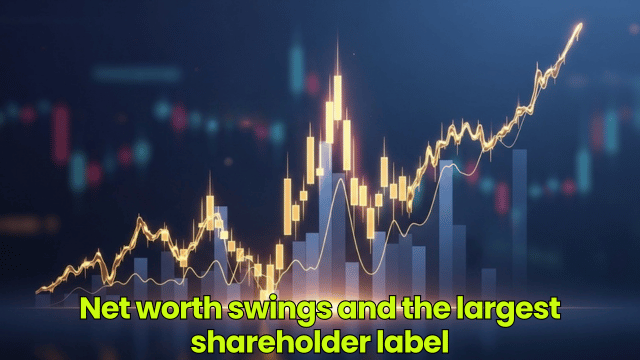
Musk's net worth rises and falls dramatically with stock market movements, sometimes changing by billions in single days. Being the largest shareholder in multiple companies brings enormous pressure, responsibility, and public scrutiny from all directions. Numbers displayed on financial screens affect real lives—employees depend on stock compensation, investors stake retirement funds, critics monitor closely.
I remind people that wealth accumulation is not wisdom or moral superiority, though society often conflates the two. It is leverage, power, and opportunity concentrated in the hands of one individual making consequential decisions daily. His fluctuating position as the world's richest person attracts attention that distorts public discourse about wealth inequality.
The concentration of such resources raises important questions about capitalism, responsibility, and the role of billionaires in democracy. Musk's wealth enables ambitious projects but also highlights systemic issues that deserve examination beyond celebrating individual success.
Hope, fear, and the future ahead
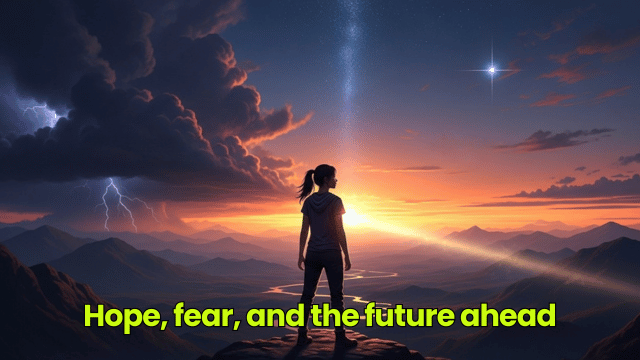
Musk's story powerfully mixes hope and fear in ways that define our technological age and its contradictions. Technology promises elegant solutions to humanity's greatest challenges while simultaneously creating new, unforeseen risks and complications. Humanity stands at a genuine crossroads, facing decisions about climate change, artificial intelligence, space exploration, and social media's impact.
I feel cautious optimism here, believing that progress remains possible despite legitimate concerns about unintended consequences. Vision paired with responsibility can work effectively, though achieving that balance requires wisdom, humility, and constant vigilance. Musk embodies both the tremendous potential and concerning dangers of concentrated power and technological acceleration happening simultaneously.
His legacy will ultimately depend on whether his ambitious projects deliver net benefits to humanity broadly. The future he helps shape will judge him more accurately than today's polarized, incomplete assessments can.








 English (US) ·