.png)
 6 months ago
42
6 months ago
42
Let’s face it. Consumer impact marketing is not just a passing trend – it’s become the game-changer for businesses that truly want to connect with their audience. Think about it: we are talking about brands that are out there, influencing the marketplace with efforts that go far beyond the traditional approaches of selling products. From small businesses to large corporations, impact marketing is turning heads, building a real connection with consumers, and driving sales like never before. Sounds like something you want to get into, right? Buckle up because I’m about to take you through the world of consumer impact marketing, where brands make a real difference, and it’s about more than just selling – it's about creating change.
What is Consumer Impact Marketing?

Consumer impact marketing is all about putting the customer at the heart of everything. The concept of consumer impact marketing is a psychological and strategic approach that aligns with the values of purpose-driven consumers, making it essential for brands seeking deeper engagement. Unlike traditional marketing, which often focuses on the product, this type of marketing focuses on making a difference in the world while boosting the company’s visibility. It’s about brands that speak directly to their target market about shared values. When you invest in impact marketing, you’re not just selling a product, you’re empowering the consumer to make a change – and it can be a small one or a big one, depending on the brand’s mission.
It’s no longer enough to just tell your consumers how great your product is. Consumers want to know the company‘s commitment to positive change. To truly connect, brands must align their marketing strategies with the causes and values that matter most to their target audience. Whether it’s through environmental impact, social justice, or community engagement, people are more likely to connect with brands that highlight and contribute to something bigger than themselves.
61% of consumers prefer to buy from companies that align with their values.
How Consumer Impact Marketing Drives Sales

You may be asking, “How does consumer impact marketing actually lead to sales?” Well, let me tell you, it’s simple. Traditional marketing often focuses on driving sales through flashy advertisements, while consumer impact marketing emphasizes building relationships and creating value, often prioritizing social or environmental impact over immediate sales. When a brand aligns with its audience’s values and takes a stand on something they care about, it builds trust. Trust leads to loyalty, and loyalty turns into sales. This doesn’t just happen overnight. Brands need to show that they are genuinely invested in long-term relationships with their customers and community. That’s where sales management strategies come in.
Smart companies are measuring the effectiveness of their impact marketing campaigns, understanding how their messaging influences consumers. Consumer impact marketing is enhancing the overall effectiveness of marketing strategies by better aligning them with consumer values and societal goals. It’s not about just putting out a flashy ad and crossing fingers. It’s about engaging with consumers, understanding their preferences, and creating campaigns that reflect their values. When that happens, it leads to a positive impact on brand****revenue and growth.
Marketing also fosters competition, driving down prices and promoting higher-quality, safer products.
READ ALSO: 13 Best Shoes for Plantar Fasciitis • Top Product Reviews of 2026
The Power of Brand Values in Impact Marketing

Now, let’s talk brand values. These values are the cornerstone of any successful impact marketing campaign. When your brand aligns with a cause or mission that resonates with your target market, the results can be explosive. This doesn’t mean jumping on every trendy cause just to look good – it’s about aligning with values that your business genuinely supports. Think of companies like Toms or Patagonia, whose brands are built on strong ethical values that promote positive change.
Your company’s commitment to these values should be communicated clearly across every aspect of your marketing. From your website to your social media, sales materials, and customer service – consistency is key. It’s not just about saying you care – it’s about showing it through actions. Engaging clients by demonstrating your social and environmental commitments helps build trust and loyalty, fostering a deeper connection and ongoing support for your brand.
Over 60% of consumers are willing to pay more for products with sustainable packaging or those from brands with clear positive social impacts.
READ ALSO: Streetwear Branding Rules Brands Love to Break
Understanding Consumer Behaviour

Understanding consumer behaviour is the foundation of any successful marketing effort. For businesses aiming to connect with their target market, it’s essential to dig deep into what truly matters to their audience. Through thorough research and data analysis, companies can uncover the values, aspirations, and concerns that drive consumer decisions. This insight allows businesses to create marketing strategies and campaigns that speak directly to their audience’s preferences, fostering a sense of shared values and community.
Take, for example, Dove’s “Real Beauty” campaign. By focusing on self-esteem and body confidence, Dove tapped into a powerful set of values that resonated with its consumers, resulting in stronger engagement and brand loyalty. When businesses invest in understanding their consumers, they can craft personalized messages that not only enhance engagement but also drive sales. Ultimately, a deep understanding of consumer behaviour empowers companies to create marketing efforts that are both meaningful and effective, building lasting relationships within their community.
How Consumer Impact Marketing Helps Build Stronger Relationships

Consumer impact marketing is all about creating connections. When a brand speaks directly to its audience, it fosters a sense of belonging and engagement. Consumers today are no longer passive participants; they want to feel involved. They want to know their purchases are making a difference.
This marketing approach allows businesses to forge deeper, more authentic relationships with customers. The key here is to connect on a personal level. Engaging in direct contact through personal and responsive communication, such as events or outreach, helps strengthen customer loyalty and trust. Brands that show up consistently, that have real conversations with their consumers, are the ones that reap the benefits. It’s not about talking at your customers – it’s about talking with them.
READ ALSO: Moneta Markets Review: Is it Best for Scalpers in 2026?
Creating a Positive Change
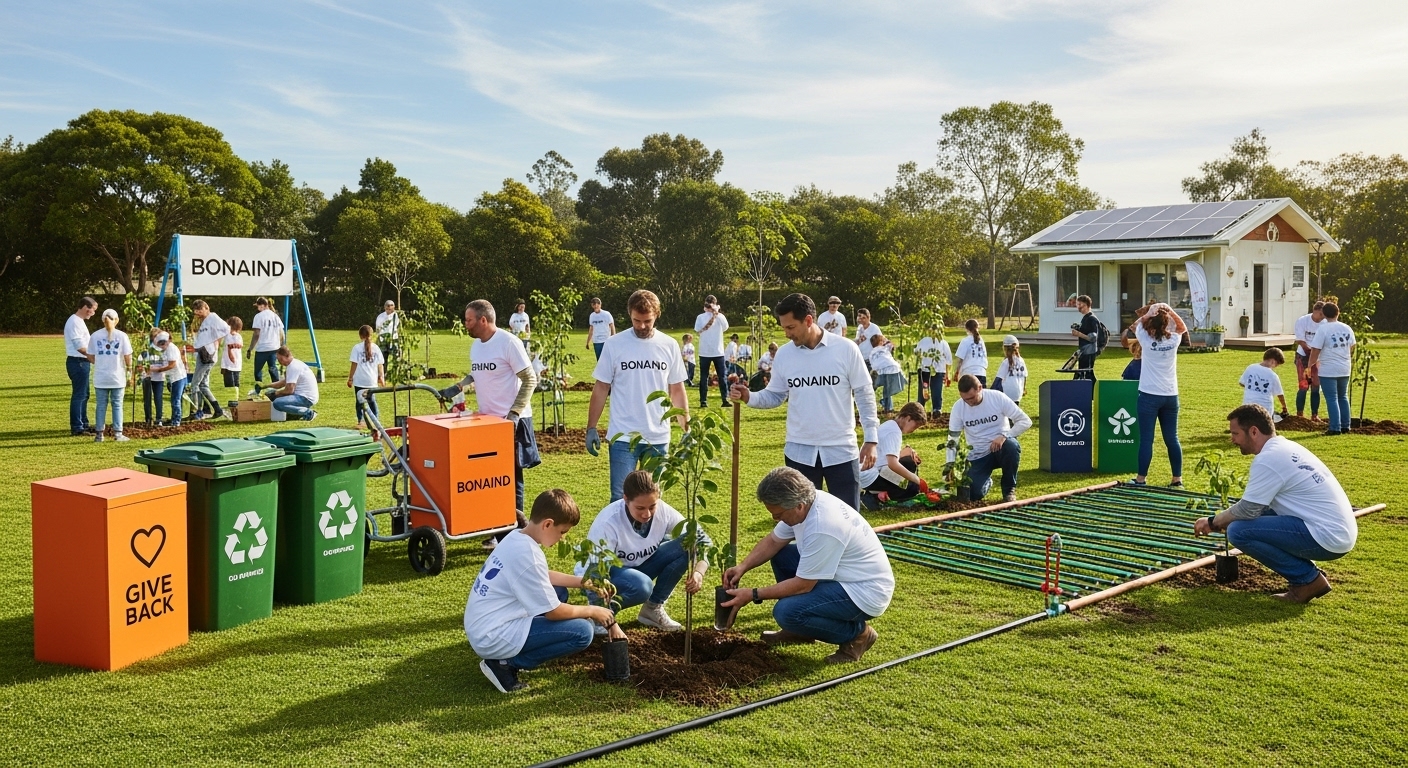
At the core of impact marketing is the drive to create a positive change that goes beyond business as usual. When companies align their marketing efforts with a genuine commitment to social or environmental causes, they foster a sense of shared values with their customers. This approach not only delivers a positive impact but also strengthens the bond between brand and consumer.
A standout example is TOMS’ “One for One” campaign, where every pair purchased means a pair is donated to someone in need. This simple yet powerful strategy has made a tangible difference in countless lives, while also boosting TOMS’ brand reputation and revenue. Similarly, Patagonia’s dedication to environmental advocacy has elevated its visibility and contributed to its growth, proving that positive change and business success can go hand in hand.
By integrating impact marketing into their strategies, businesses can create campaigns that inspire action, build loyalty, and drive revenue—all while making the world a better place. When customers see a company’s commitment to positive change, they’re more likely to support the brand and become advocates for its mission.
Consumer Impact Marketing in Action: Case Studies
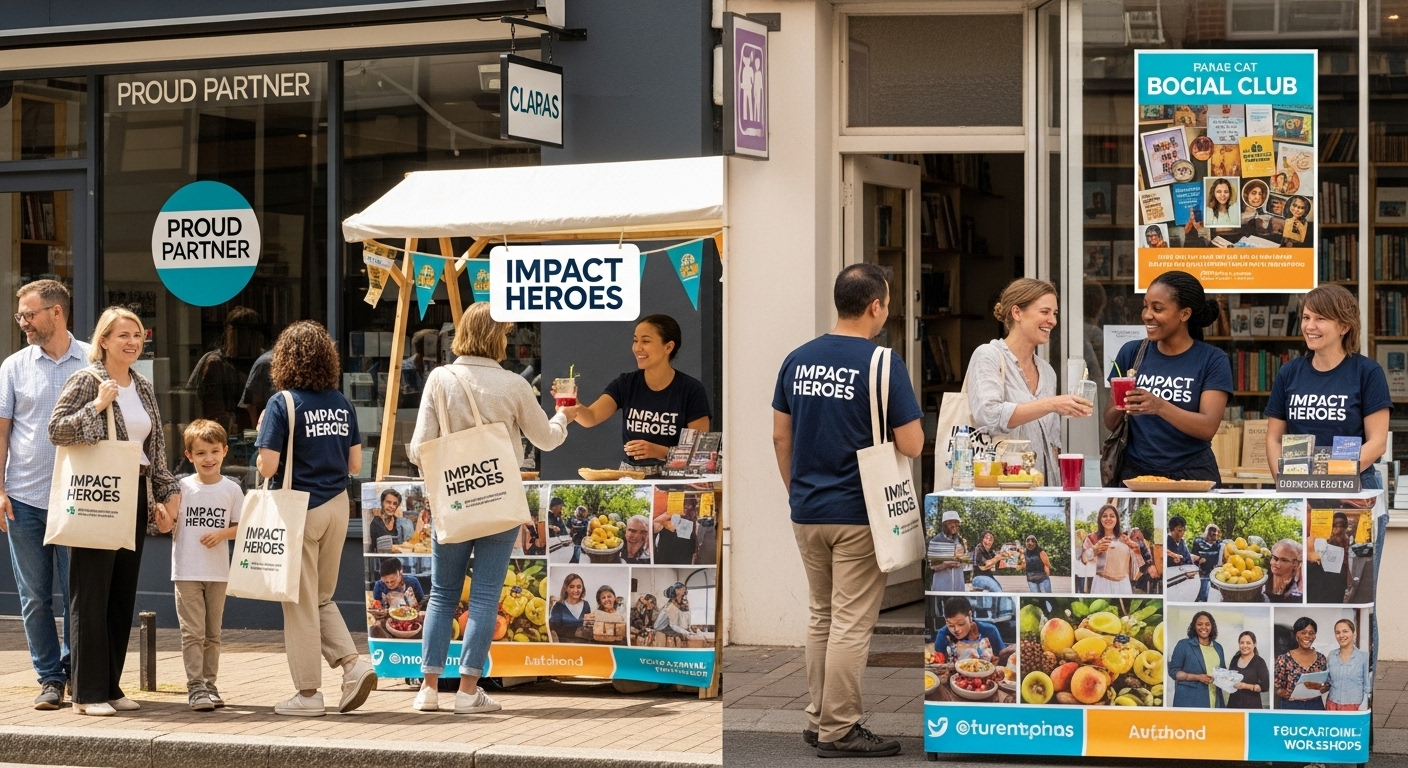
Let’s take a look at some case studies of brands that are nailing impact marketing. A company that stands out in this space is Patagonia. Not only does Patagonia sell high-quality outdoor gear, but it also donates a percentage of profits to environmental causes, actively fighting against climate change. This alignment of values with their target market has created a strong connection between them and their consumers.
A dedicated team is essential for coordinating and executing successful impact marketing initiatives, as demonstrated by these case study brands.
Another great example is Ben & Jerry’s, which is known for taking a stand on social justice issues. This brand has used impact marketing to push for real change, making positive impacts in both the community and the market.
READ ALSO: Liberty Market Investment Review with Rankings 2026
The Benefits of Consumer Impact Marketing

There are plenty of benefits to implementing consumer impact marketing strategies. For one, it helps increase brand loyalty. Customers who resonate with your message are more likely to stick around. They’ll even become brand advocates, spreading the word and supporting your company’s mission.
Secondly, it can drive sales. When consumers feel good about the company they’re buying from, they’re more likely to purchase. Not to mention, it enhances your brand reputation, which brings in new customers. Many companies align their professional services with social and environmental causes, further strengthening their connection with consumers. Tactical merchandising is also used to enhance brand visibility and consumer engagement through tailored programs. And don’t forget about visibility. Companies that do good often get more press and media coverage.
Marketing also fuels economic growth by increasing national income, stability, and development.
How to Get Started with Impact Marketing for Your Business

So, how can small businesses dive into impact marketing? It’s all about starting small and aligning with what matters most to your target market. To maximize your efforts, focus on reaching the right people—those most likely to connect with your message and values. First, you need to figure out what your company’s commitment is. Do you care about the environment? Social justice? Health and wellness? Choose a cause that aligns with your brand values.
Once you’ve chosen your focus, it’s time to create a campaign that speaks to your audience. Storytelling is key here. Share the story behind your commitment, show your customers how their purchases are contributing to something bigger. As part of your impact marketing strategy, consider providing education through training or educational programs to further engage your audience. You can also launch new products or initiatives that support your chosen cause, helping to boost market entry and brand visibility. And remember, engagement is everything. Keep the conversation going and make your customers feel like they are part of the change.
Tips for Small Businesses

Small businesses have a unique opportunity to make a big impact through thoughtful marketing efforts. The first step is to clearly define your brand values and mission, ensuring that every marketing strategy aligns with what matters most to your target market. Supporting local community initiatives or partnering with organizations that share your values can help demonstrate your commitment and foster a sense of shared purpose with your customers.
Leveraging experiential marketing and shopper marketing strategies is another effective way to engage your audience. Hosting events, offering workshops, or creating interactive experiences can help your small business stand out and build lasting relationships. These efforts not only drive sales but also enhance your brand’s reputation and visibility.
Don’t forget the importance of data and research. Regularly measure the effectiveness of your marketing efforts to see what’s working and where you can improve. By staying focused on your values, engaging your community, and continuously optimizing your strategies, your small business can create a positive impact and achieve sustainable growth.
Overcoming Challenges

Implementing impact marketing isn’t without its challenges, but overcoming them is key to long-term success. One major hurdle is measuring the effectiveness of your marketing efforts. To tackle this, businesses should use data and research to track important metrics like website traffic, social media engagement, and sales growth. This data-driven approach helps ensure that your strategies are delivering a positive impact and contributing to revenue.
Another challenge is maintaining alignment between your impact marketing initiatives and your company’s core values. Setting clear goals and involving all stakeholders ensures that everyone is invested in the company’s commitment to positive change. Field teams and strategic partnerships can also play a crucial role in amplifying your efforts, helping you reach a wider audience and create greater impact.
By understanding consumer behaviour, staying committed to your values, and leveraging the right strategies and partnerships, businesses can overcome obstacles and achieve meaningful results. The key is to remain engaged, adaptable, and focused on both your mission and your customers’ needs—ultimately driving growth and making a real difference.
Measuring Success in Consumer Impact Marketing

As with any marketing strategy, you need to measure effectiveness. What’s the point of putting all this effort into impact marketing if you don’t track the results? Use tools like data analytics to measure how your campaigns are performing. Are you seeing a rise in sales? Are people engaging with your content? If you’re not measuring, you’re missing out on valuable insights that can make or break your marketing.
One of the biggest indicators of success is whether or not your brand values are resonating with your target market. If consumers feel like your company truly cares about their concerns, you’re on the right track.
Conclusion: The Future of Consumer Impact Marketing
As we move forward, consumer impact marketing will continue to play a massive role in shaping the future of brands and businesses. The days of traditional selling are over. Today, it’s all about making a difference, connecting with your audience, and driving positive change. For businesses that are ready to take this leap, the rewards are worth it. Not only will you drive sales and build loyalty, but you’ll also be contributing to a more positive and empowered world. So, let’s get to work, and let’s make a difference – together.








 English (US) ·