.png)
 2 hours ago
1
2 hours ago
1
- In today’s CEO Daily: Diane Brady talks with Ravi Kumar S. about the broad impact of AI.
- The big leadership story: Inside Kelly Ortberg’s effort to remake Boeing.
- The markets: Mixed globally, with European markets staging a rebound.
- Plus: All the news and watercooler chat from Fortune.
Good morning from Scottsdale, where we are on Day 2 of the Fortune COO Summit. (Follow along on our livestream.) These are the leaders who drive transformation and are often tapped to take over, making up nearly one-third of 234 CEO appointments among the S&P 500 over the past five years, according to BCG. The challenge they face is how to accelerate change without blowing budgets or destroying the house. AI is forcing them to reimagine how they hire, manage, lead and structure their organizations. In some ways, as I discussed with a group of COOs yesterday, automation can make the COO’s job harder.
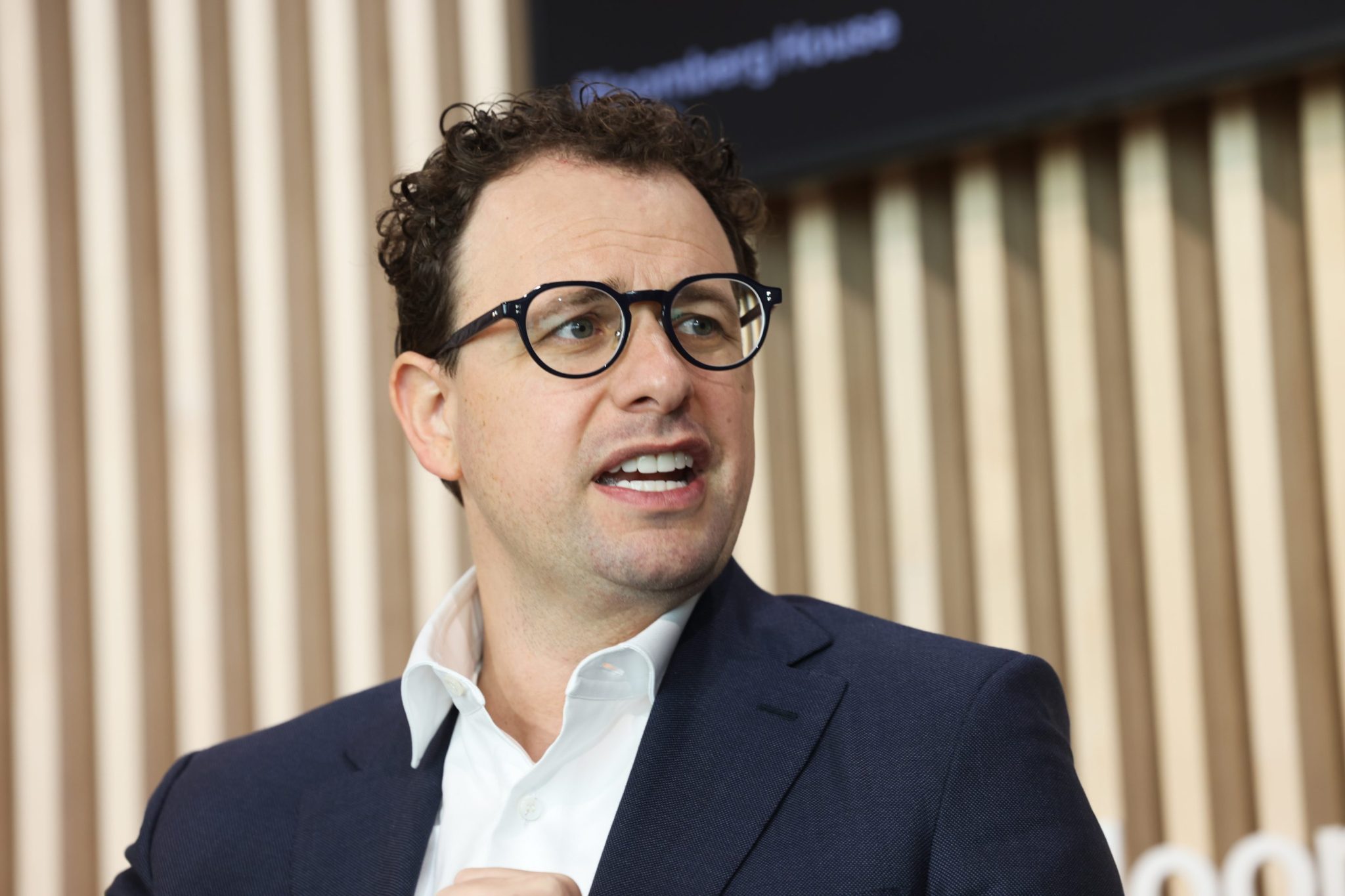
But I want to focus on some insights from Cognizant CEO Ravi Kumar S. I spoke with him on stage yesterday about why he’s hiring more entry-level graduates and the perils of tokenmaxxing. We’ve talked in the past about the Hollywood studio model as a better way to organize work. He thinks deeply about the broad impact of AI and how it will change not just his company but business and society. So I grabbed time with him after our fireside to drill down on some topics. Among them:
Macro delegate and micro steer: “This is a tectonic shift where the technology is in the hands of the users. You decide the things you do yourself and the things you outsource to an AI agent, who will be yours. It will be a process where you constantly macro delegate and micro steer. Most people are not used to working directly with technology because somebody else created it for them. Now, you don’t need to code. You just need to express the things you want to do and integrate that into your workflow. That changes what skills matter. It’s why we created these new positions.”
Workers in the middle: “Historically, we created these middle layers because they had the expertise, the tribal knowledge, the heritage of the company. They were able to bridge the asymmetry of information going up and down the pyramid. Now technology bridges that, which means we need a player-coach who isn’t competing with the technology but has the experience to verify, validate … people who can both executive and develop others.”
The fog on the horizon: “AI gives us extraordinary incisiveness, but it has created a fog in foresight because I can’t see anything beyond two to three years. Technology is moving so fast. Modern enterprises are built on taking long, slow bets. That’s how we allocate capital and give valuation multiples. Now, you need less linear planning, more adaptive architecture. We need to create lifelong learners, starting in K-12. The agency of impact is transferring from the institution to the individual. We should be able to see more new products and services and structures. Think about having a micro-personalized tutor for every person on earth, a micro-personalized nurse. People need to be equipped to be free agents. But I think the opportunities are immense.”
Contact CEO Daily via Diane Brady at diane.brady@fortune.com
This story was originally featured on Fortune.com





 English (US) ·