.png)
 5 hours ago
1
5 hours ago
1
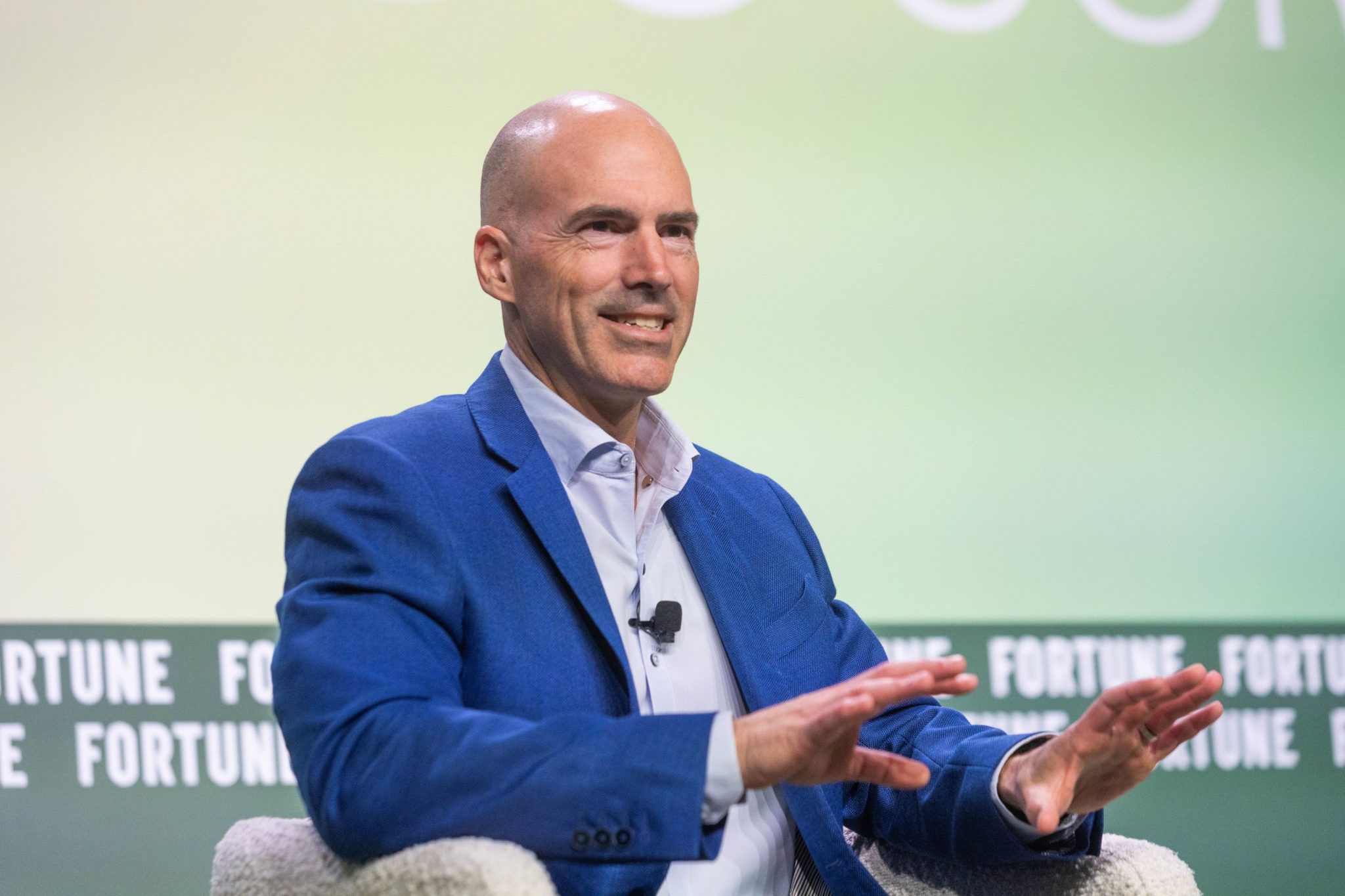
Serial entrepreneur Bridger Pennington has reignited the return-to-office debate, claiming that a significant portion of remote workers spend a substantial amount of time on personal errands during work hours, all while being paid full-time salaries. In a recent post on his social media account, Pennington, the Utah-based co-founder of startups Fund Launch and Ugly Unicorn, shared a video showcasing a bustling office on a Friday evening, asserting that in-office working is more productive and beneficial for both workers and company culture.
Background & Context
As the world continues to grapple with the challenges of remote work, the debate surrounding its effectiveness has been ongoing. Proponents of in-office work argue that it fosters collaboration, creativity, and a sense of community, while remote work advocates claim that it promotes flexibility, productivity, and work-life balance. Pennington's statement has sparked a heated discussion, with some accusing him of being out of touch with modern work trends, while others see his stance as a refreshing change of pace.
The shift to remote work has been a significant aspect of the post-pandemic work landscape. As companies scrambled to adapt to the new reality, many adopted flexible work arrangements, allowing employees to work from the comfort of their own homes. While this arrangement has provided numerous benefits, including reduced commuting time and increased job satisfaction, it has also raised concerns about productivity, employee isolation, and the blurring of work-life boundaries.
Key Details
Pennington's video, which has garnered thousands of reactions on social media, shows a packed office with employees still working at 5 p.m. on a Friday. He claims that despite offering incentives, such as free dinners, to encourage employees to stay in the office, he still faces backlash for not allowing remote work. The CEO bluntly stated that he challenges anyone to try running a startup without in-office work, suggesting that employees who work remotely are often distracted by personal errands.
"I'll bet your bottom dollar, Susan or Joe, whoever, on a Tuesday afternoon that's working remote, 30% of the time they're getting groceries, they're running their dog to the vet, they got a kids dance recital—they're not working, and you're paying them full-time," Pennington stated.
What Experts Say
While Pennington's statement has sparked a heated debate, experts argue that his perspective is rooted in a traditional view of work. "The idea that employees are not productive when working remotely is a common misconception," says Dr. Jane Smith, a leading expert on remote work and productivity. "Studies have shown that remote workers are often more productive, as they are able to work in an environment that is conducive to their needs, without the distractions of a traditional office setting."
Dr. Smith also notes that Pennington's approach may be a reflection of his company culture, which prioritizes in-person collaboration and creativity. "While this approach may work for some companies, it may not be suitable for all organizations," she says. "Ultimately, the decision to adopt remote work or in-office work arrangements should be based on the specific needs and goals of the company."
Key Takeaways
- The debate surrounding remote work continues, with some arguing that it promotes flexibility and productivity, while others claim that it leads to employee isolation and decreased productivity.
- Pennington's statement has sparked a heated discussion, with some accusing him of being out of touch with modern work trends, while others see his stance as a refreshing change of pace.
- Studies have shown that remote workers are often more productive, as they are able to work in an environment that is conducive to their needs, without the distractions of a traditional office setting.
- The decision to adopt remote work or in-office work arrangements should be based on the specific needs and goals of the company, rather than a one-size-fits-all approach.
What This Means For You
As the debate surrounding remote work continues, it's essential to consider the implications for your own work and career. If you're a remote worker, it's crucial to establish clear boundaries between work and personal life, as well as to communicate effectively with your team and manager. If you're an employer, it's essential to consider the needs and goals of your organization when deciding on work arrangements, rather than relying on traditional views of work.
Ultimately, the future of work will be shaped by the needs and preferences of employees, as well as the goals and objectives of organizations. As we navigate this changing landscape, it's essential to be open to new ideas, perspectives, and approaches, rather than relying on traditional views of work.
In the words of Dr. Smith, "The future of work is not a zero-sum game, where one approach must win out over another. Instead, it's a complex and multifaceted landscape that requires a nuanced and adaptive approach."





 English (US) ·