.png)
 1 day ago
9
1 day ago
9
The Federal Reserve's handling of monetary policy is facing intense scrutiny, with a top central bank official warning that the recent bond sell-off has raised concerns about the institution's credibility. The warning comes as the Fed grapples with the challenges of maintaining economic stability amidst a rapidly changing global landscape.
Background & Context
The Federal Reserve, the central banking system of the United States, has been at the forefront of monetary policy-making for decades. With its dual mandate of promoting maximum employment and price stability, the Fed has a significant impact on the economy. However, the recent bond sell-off has raised questions about the Fed's ability to effectively manage interest rates and maintain investor confidence.
The bond sell-off, which saw investors dumping government bonds in favor of other assets, has significant implications for the economy. As interest rates rise, the value of existing bonds decreases, making them less attractive to investors. This can lead to a decrease in government revenue, as the government relies on bond sales to finance its activities. Furthermore, a bond sell-off can also lead to higher borrowing costs for consumers and businesses, making it more expensive for them to access credit.
Key Details
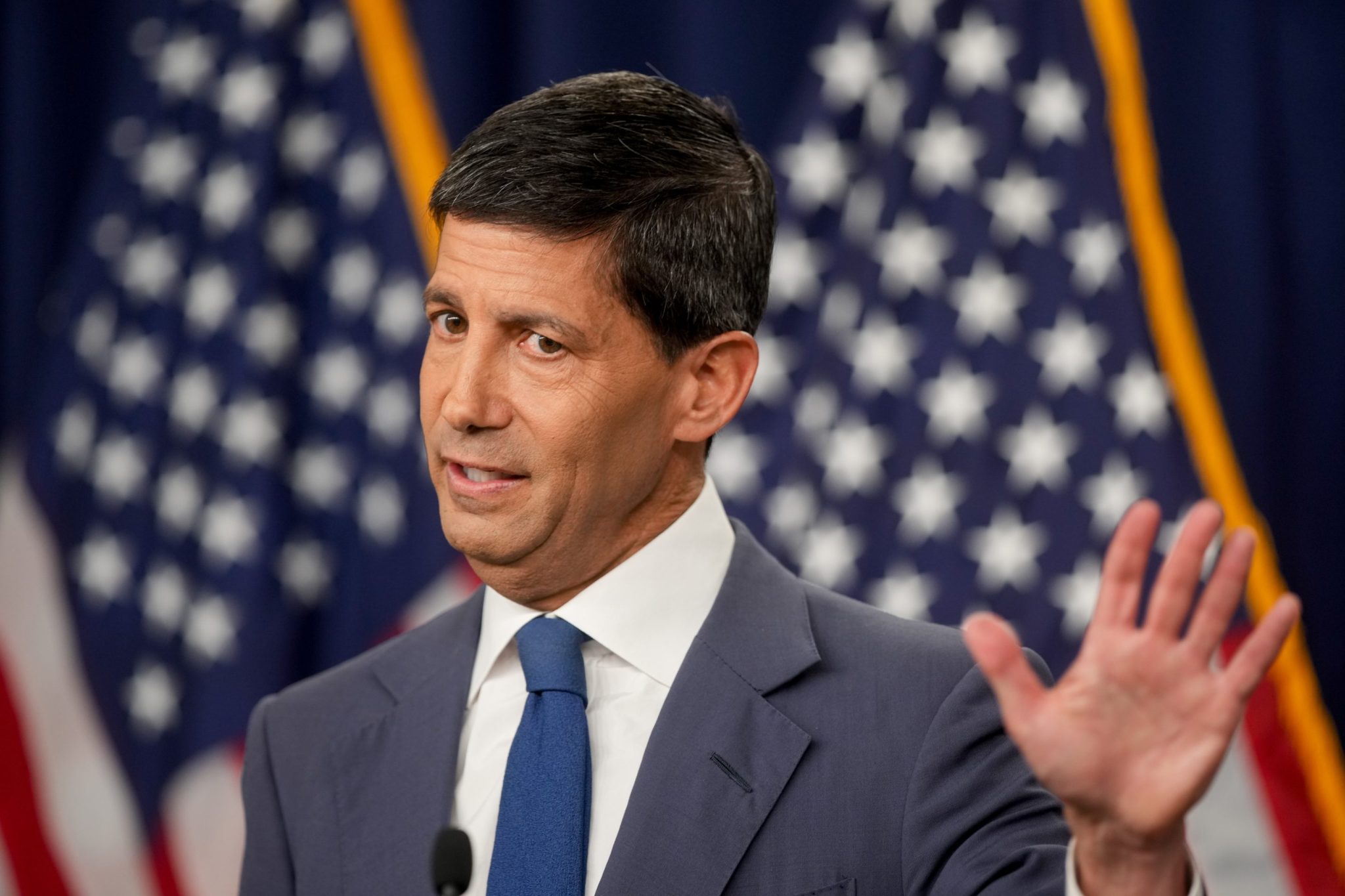
Alberto Musalem, a top central bank official, has spoken out about the recent bond sell-off, warning that it has raised concerns about the Fed's credibility. Musalem, who has been a vocal supporter of dissenting views within the Fed, has expressed his support for a quarter-point interest rate rise. This is in contrast to the Fed's current stance, which has seen interest rates held steady in recent months.
Musallem's comments are significant, as they highlight the divisions within the Fed over monetary policy. The Fed is made up of 12 regional Federal Reserve Banks, each with a Federal Reserve Bank president. While the Fed's Federal Open Market Committee (FOMC) makes key decisions about interest rates, individual bank presidents can influence policy through their votes. Musalem's support for a rate rise is a clear indication that he believes the Fed needs to take action to address the economic challenges facing the country.
What Experts Say
The bond sell-off has significant implications for the economy, and experts are warning that the Fed's credibility is at stake. "The bond sell-off is a clear warning sign that the Fed's credibility is under threat," said Dr. John Taylor, a prominent economist and Fed critic. "The Fed needs to take action to restore investor confidence and maintain economic stability."
Dr. Taylor's comments are echoed by other experts, who warn that the Fed's inaction on interest rates has contributed to the bond sell-off. "The Fed's failure to raise interest rates has led to a mispricing of risk in the bond market," said Dr. David Kotok, a respected economist and portfolio manager. "This has significant implications for the economy, and the Fed needs to take action to address the issue."
Key Takeaways
- The bond sell-off has raised concerns about the Fed's credibility, with top central bank officials warning that the institution's handling of monetary policy is under threat.
- The bond sell-off has significant implications for the economy, with higher borrowing costs for consumers and businesses, and a decrease in government revenue.
- Expert opinions are divided, with some warning that the Fed's inaction on interest rates has contributed to the bond sell-off, while others argue that the Fed needs to take action to restore investor confidence.
- The Fed's credibility is at stake, and the institution needs to take action to maintain economic stability and investor confidence.
What This Means For You
The bond sell-off has significant implications for everyday investors, with higher borrowing costs and decreased government revenue. However, the Fed's inaction on interest rates has also led to a mispricing of risk in the bond market, making it more attractive to investors. This means that investors may be more willing to take on risk, which can lead to higher returns in the long term.
However, the bond sell-off also means that investors need to be cautious and consider their options carefully. With higher borrowing costs and decreased government revenue, investors may need to adjust their portfolios to reflect the changing economic landscape. This may involve reducing exposure to government bonds and increasing exposure to other assets, such as stocks or real estate.
Ultimately, the bond sell-off is a clear warning sign that the Fed's credibility is under threat. The institution needs to take action to restore investor confidence and maintain economic stability. As investors, we need to be cautious and consider our options carefully, as the changing economic landscape will have significant implications for our investments.






 English (US) ·