.png)
 1 hour ago
1
1 hour ago
1
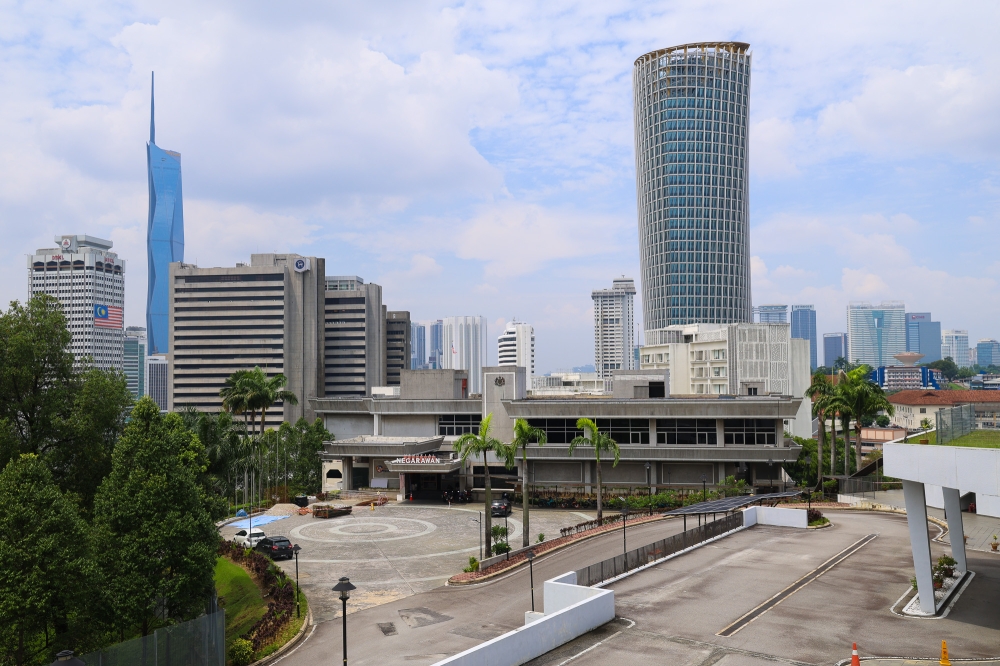
KUALA LUMPUR, Aug 30 — As Malaysia turns 69, the country has witnessed its fair share of history — from the struggle for independence and the formation of the federation to almost seven decades of nation-building, political change and rapid development.
Yet much of that history lives on not only in records and textbooks, but also in the places where key decisions were made and in the stories of those who helped shape the country through its formative years.
One such place is the Statesman Memorial (also known as Memorial Negarawan), housed in the former Prime Minister’s Office (PMO) along Jalan Dato Onn, which bears witness to the country’s post-independence administrative history.
Built in 1957 along what was then known as Brockman Road, the Brutalist-inspired building was built to replace Tunku Abdul Rahman’s Old Office Building nearby, and later served for decades as the seat of the federal government and the workplace of Malaysia’s prime ministers.
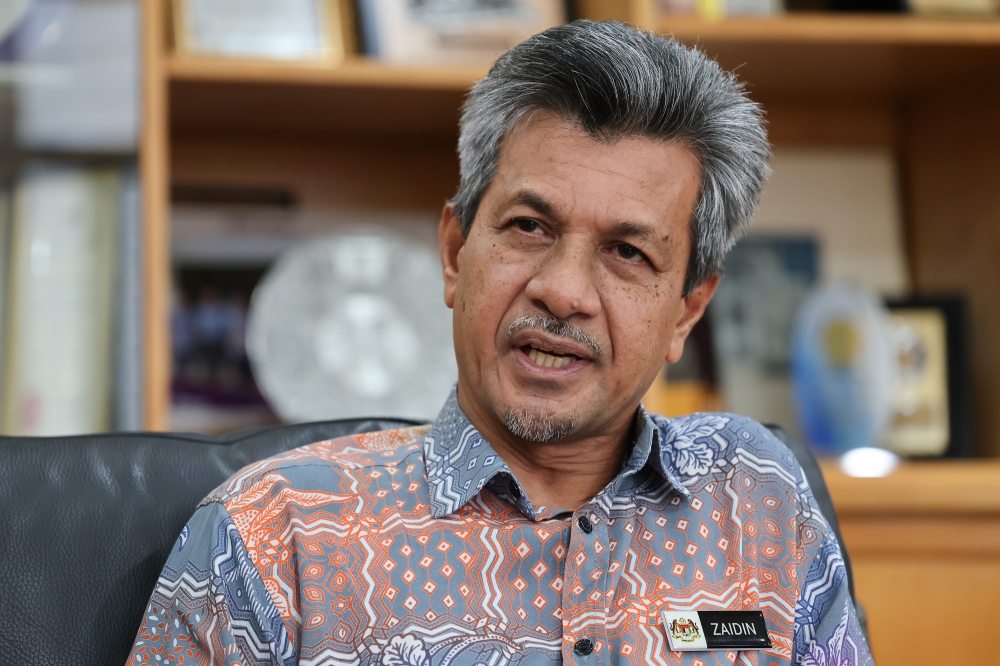
National Archives of Malaysia (ANM) director-general Zaidin Mohd Noor said the building’s historical significance lies not merely in its role as an administrative office, but as a physical witness to Malaysia’s journey in governance and development.
“One lesser-known aspect of the building is that it was more than just the PMO; it was also an important setting for government deliberations and decision-making in post-independence Malaysia.
“During its years of operation, various government policies, development plans, security issues, international relations and decisions that significantly impacted the lives of Malaysians were discussed and implemented there,” he told Malay Mail during a recent interview.
The former Prime Minister’s Office housed the tenures of Tun Abdul Razak Hussein, Tun Hussein Onn and Tun Dr Mahathir Mohamad — who occupied the office for the longest period, 22 years — until the federal government administrative centre moved to Putrajaya in 2003.
While museums and historical galleries typically bring collections and artefacts into exhibition spaces, Zaidin said the Statesman Memorial instead takes visitors to an actual site directly connected to the country’s administrative history, offering them a distinctly different experience.
Beyond its administrative role, Zaidin said the building itself was also a setting for significant moments in Malaysia’s diplomatic history, hosting notable foreign figures in 1990, including Nelson Mandela, then deputy president of the African National Congress, and Yasser Arafat, chairman of the Palestine Liberation Organisation.
“What makes the Statesman Memorial particularly distinctive is the building’s authenticity.
“Rather than being purpose-built as a new exhibition space, the memorial occupies a historic building that once served as a centre of government administration,” he said.
Where history lives
Beyond displaying documents, photographs, collections and materials related to the nation’s statesmen, the Statesman Memorial also retains elements and spaces linked to the building’s original function.
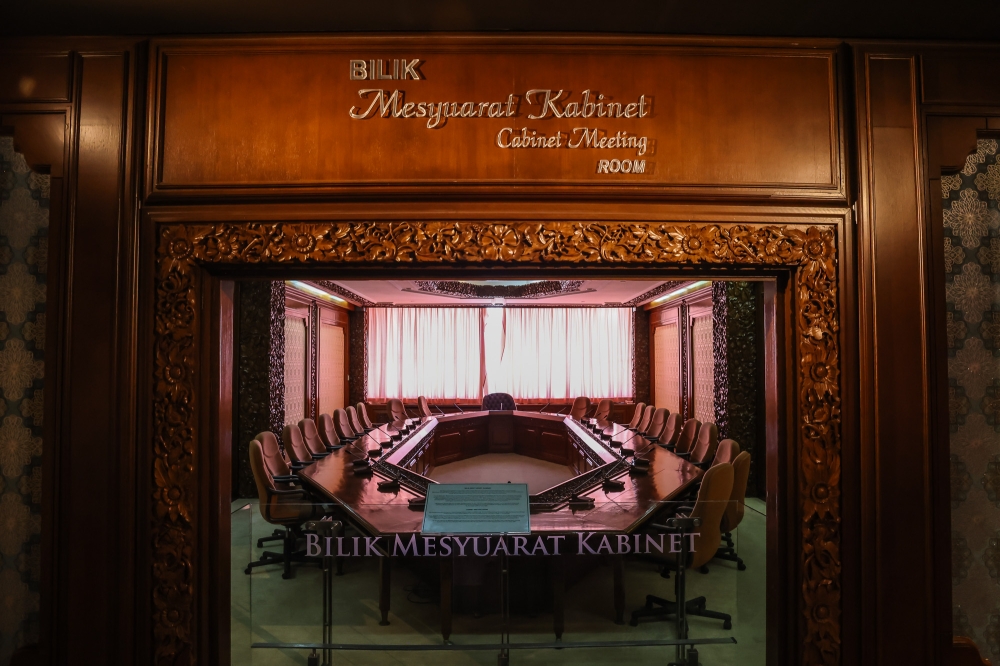
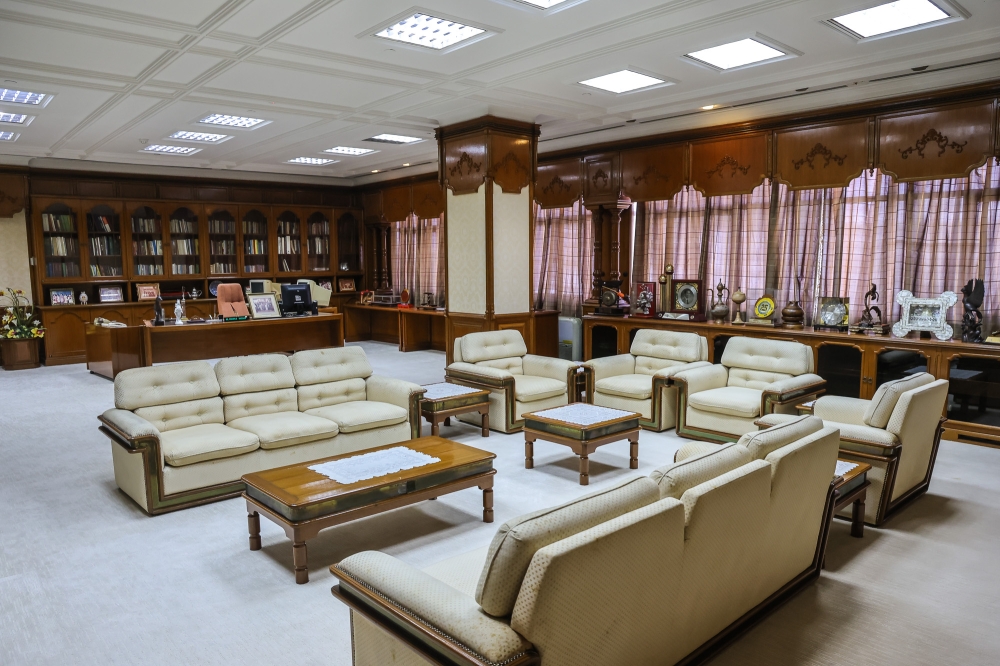
Key preserved spaces include the former Prime Minister’s Office and the Cabinet meeting room, which remain largely intact with their original setup.
Another notable exhibit is the original setup of the Baling Talks, held at Baling English School as depicted in history books, where negotiations between the Malayan government and communist representatives attempted to resolve the Malayan Emergency after World War II.
This in turn allows visitors not only to see history, but also in some instances, to experience the very spaces where it unfolded.
For younger generations, experiencing these spaces first-hand could deepen their appreciation of Malaysia’s development and foster a stronger sense of history, identity and civic responsibility, Zaidin added.
“In heritage preservation, authenticity is one of the most important values. As such, preserving spaces such as the PMO and Cabinet meeting room carries significance beyond simply retaining a room or its furniture layout.
“The arrangement of tables, chairs, documents, equipment and other elements within the room can help visitors envision how the country’s leaders carried out their duties, deliberated and made decisions while fulfilling their responsibilities.
“The spaces also symbolise the continuity of Malaysia’s governing institutions, preserving not just the physical rooms but the memories and meaning embedded within them,” he said.
More importantly, Zaidin said a country’s history is not always shaped by major events witnessed by the public, but also through the deliberations and decisions made behind closed doors.
“Ultimately, the building stands as a physical witness to nation-building, where national leaders made decisions that shaped Malaysia’s policies and direction.
“Therefore, its historical value lies not only in who occupied it, but also in the many affairs of state that took place within its walls,” he said.
Following the federal government’s move to Putrajaya, the former PMO received a facelift nearly a decade later in 2012 and was developed into what it is today after the Cabinet approved the memorial’s establishment at the site with RM30 million in funding under the 10th Malaysia Plan.
Seven figures, shared legacy
In actuality, the memorial chronicles the contributions of seven statesmen from Peninsular Malaysia, Sabah and Sarawak — Tun Dr Ismail Abdul Rahman, Tun Tan Cheng Lock, Tun VT Sambanthan, Tun Dr Lim Chong Eu, Tun Datu Mustapha Datu Harun, Tun Fuad Stephens and Tun Jugah Barieng.
“The seven were chosen for their significant contributions to the country, including their roles in the struggle for independence, shaping key national policies, community development and strengthening national unity.
“The inclusion of figures from Sabah and Sarawak also recognises their roles in the formation of Malaysia in 1963, reflecting the country’s history as a federation built on cooperation across regions and communities,” Zaidin said.
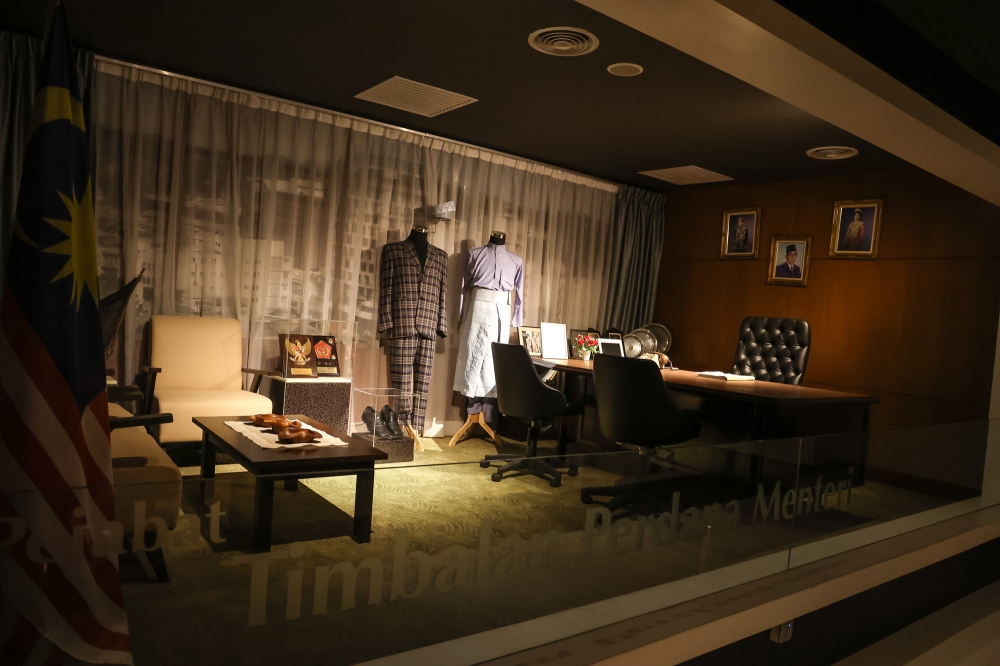
In each statesman’s gallery, exhibits include correspondence, photographs, personal collections and official records, offering visitors a glimpse into their thoughts, principles and leadership values.
While the statesmen are often remembered for their nation-building roles, Zaidin said there are many lesser-known stories and fascinating facts featured at the memorial that may be unfamiliar to the public.
“For example, Tan’s collection includes documents from around 1946 and 1954 that offer insights into political debates of the time, including the Malayan Union, democracy, elections and voting rights, helping visitors understand the challenges and ideas that shaped the country before independence.
“What makes the stories of the seven statesmen particularly compelling is their diverse backgrounds, yet their contributions complemented one another in building the nation.
“Their stories show that Malaysia’s development was not the work of a single leader or community, but the result of the struggles, cooperation, courage and commitment of many,” he said.
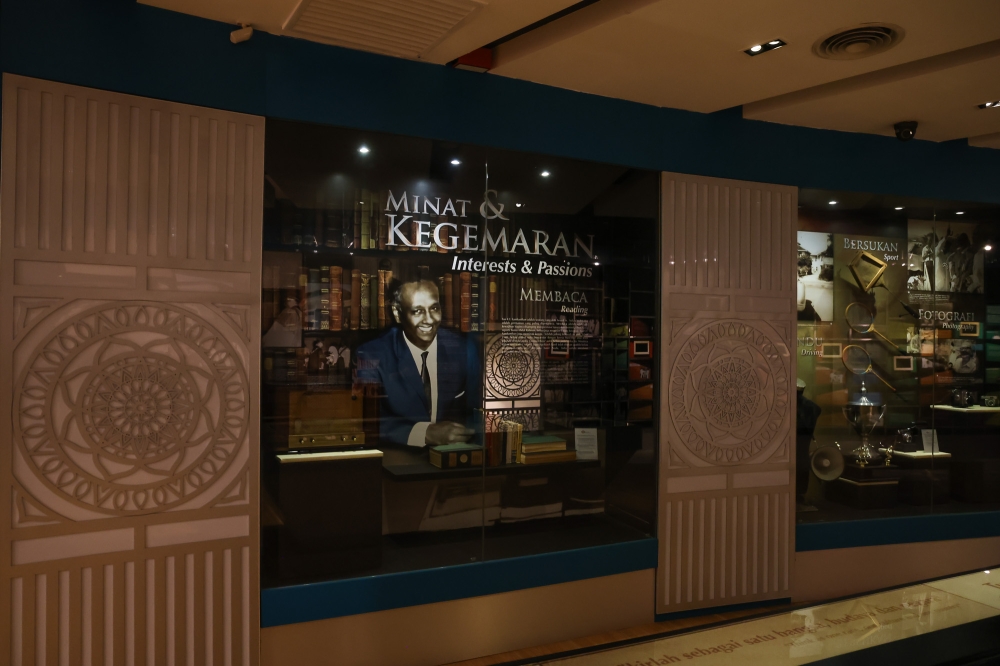
Although preserving the entire building is part of ANM’s responsibility to safeguard the country’s physical heritage and administrative memory, Zaidin said the Statesman Memorial ultimately goes beyond being a place to learn about the seven statesmen.
“It brings together the figures, documents, building and historic spaces to offer an authentic experience of Malaysia’s past, giving the memorial distinctive historical and educational value, particularly for younger generations,” he said.






 English (US) ·