.png)
 5 months ago
46
5 months ago
46
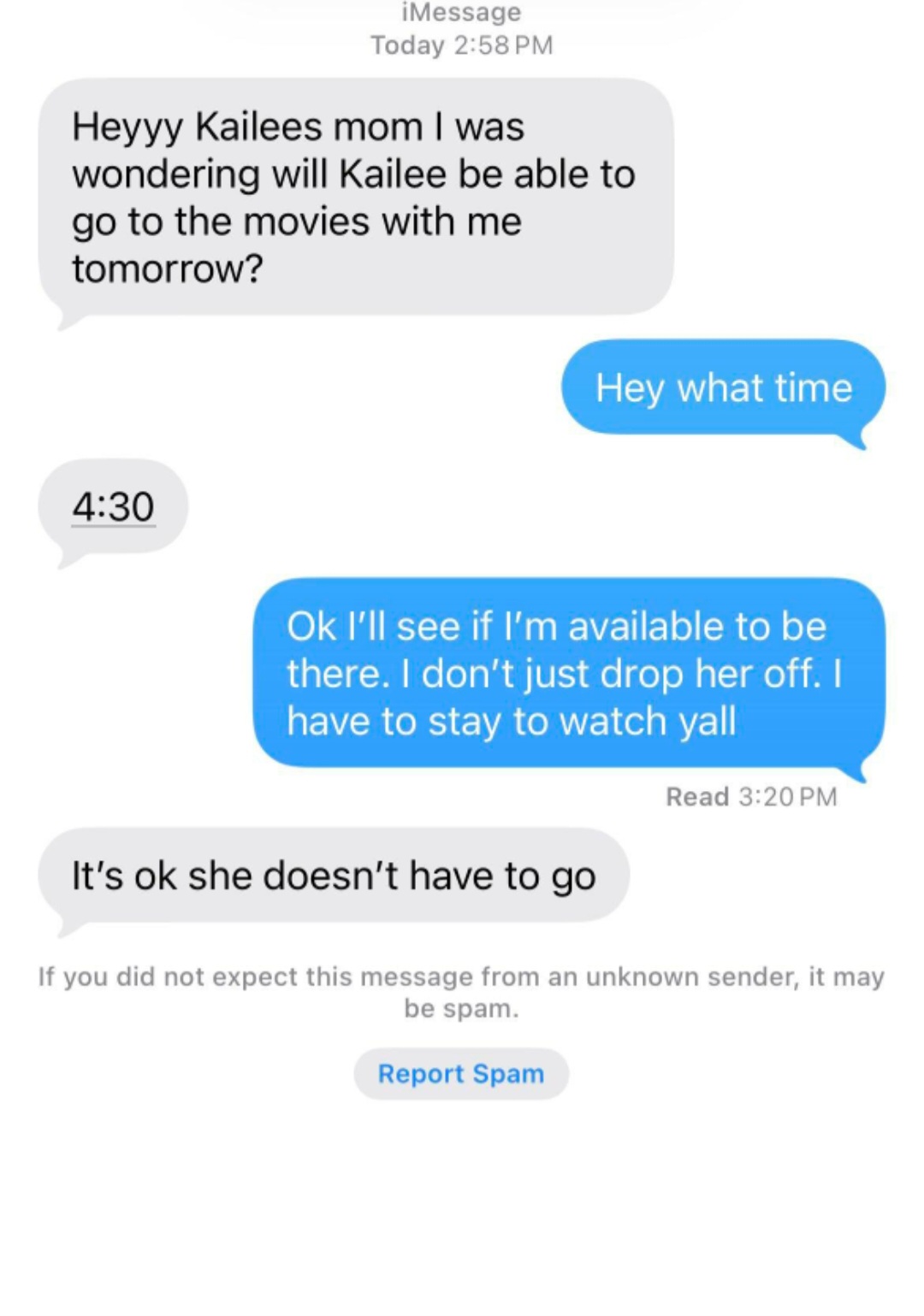
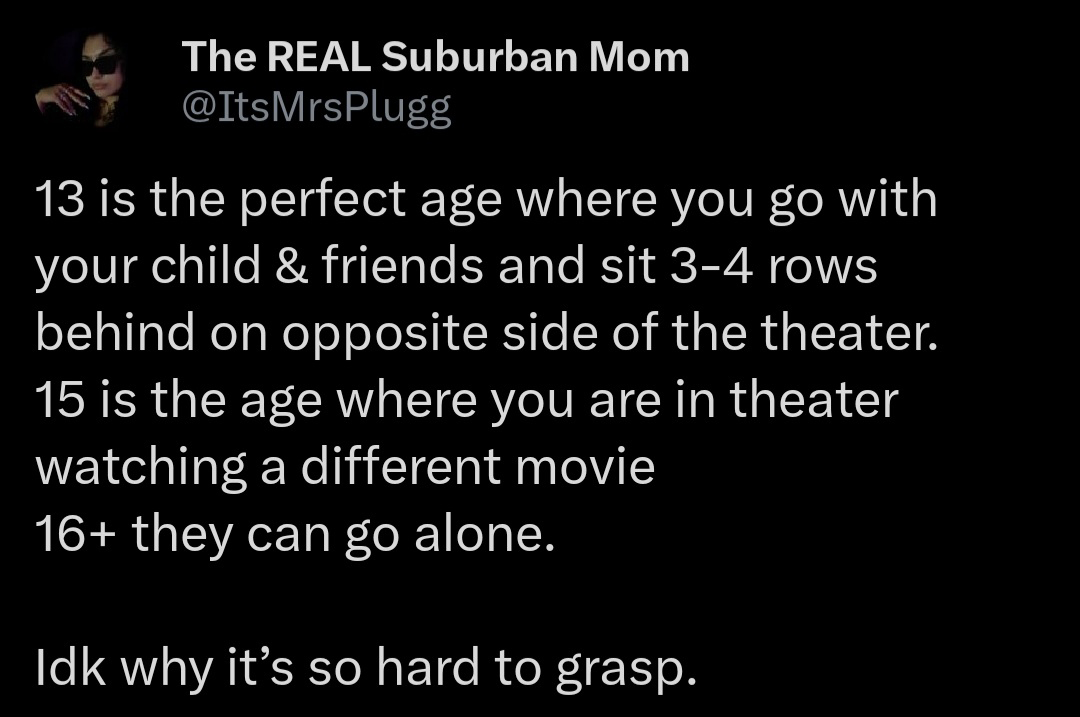
One mom started a debate when she shared a text exchange between her and one of her 13-year-old daughter’s friends, asking if her daughter could go to see a movie with them. She backed down when the mom demanded that she join her as a chaperone. Another complained about clothes shopping for her young child and finding garments that had cherry print on them, claiming that it had inappropriate associations that were too adult for children. On top of that, parent influencers share their lists of “parenting non-negotiables,” underlining their commitment to their new-age rules such as no sleepovers or screen time.
These kinds of extreme parenting opinions are designed to provoke anxieties that did not exist otherwise. It’s not so different from the deluge of content designed to give us body image issues, or all the “grindset warriors” and manifestation coaches who claim that if we do not have the life we want, we’re just not thinking the right way. Raising kids is a constant learning curve, and the way it is sometimes presented on the internet makes it much easier to worry about every single unconsidered possibility.
“[Social media] is full of people doomsaying and being, frankly, kind of offended if we aren’t equal-opportunity terrified by everything they share,” Laura Norkin, mother and writer, says in Refinery29. “Are you not afraid? You should be. It’s survival of the fearfulest out here.” It seems that this appetite for outrage has undergone little change in the past decade.
The current generation of parents is also the one with the most exposure to internet culture. Some studies suggest that among millennial parents today, up to 85% feel the pressure of unrealistic parenting standards online. Nearly a third of moms compare their successes to those they see on social media.
Norkin points out that parents in this age group are more likely to believe that they require a strong personal brand to be successful. They feel a greater responsibility for creating the life that they want. However, this makes them feel even more at fault for their parenting mistakes, because they are done in front of a bigger audience.
As well as this, millennials grew up seeing the invention of 24-hour news cycles. This became a precursor to clickbait headlines telling panicked stories of kids being harmed, often due to the failures of their parents.
This hyper-vigilance doesn’t just provoke debate and heighten the anxieties of parents, but it is also beginning to show in the behavior of their kids. Last year, columnist Kathryn Jezer-Morton reported that “young people have begun to helicopter parent themselves and each other.” Gen Z and Gen Alpha’s acceptance of location-sharing apps and read receipts is proof that they view autonomy as a danger, and not a right. “The harder we try to create environments of control in which our children might “freely” circulate, the further away from independence our kids will be.”
In the book More Work For Mother (1985), Ruth Schwartz Cowan argues that many technologies supposedly designed to make chores in the home more convenient have not made things as efficient as they appear. For example, she suggests that after the invention of the washing machine, clothes manufacturers began to produce a lot more white and pale-colored items for children. This meant that they showed dirt more easily, and mothers felt pressured to do more laundry so that they didn’t face any judgment for their kids wearing dirty clothes.
Parenting content on social media is not as much of an obvious addition to the domestic sphere as the washing machine, but it still has a mighty impact on this part of life. It is a great way for parents to feel like they are not alone in their struggles, and pick up some helpful tips. However, it also makes them paranoid and focused on minutiae that are counterproductive to mutually supportive parenting.
Risk assessment is a vital part of doing your job right as a parent. A part of that is not assuming the worst about everything. Nobody wants their child to become a cautionary tale because they weren’t careful enough, but no amount of overthinking is going to give you complete control over the outcomes. These days, living in fear often means that parents are paying more attention to the opinions of strangers on the internet than they are to the needs of their kids.







 English (US) ·