.png)
 6 months ago
47
6 months ago
47
If you have ever asked how to pick a good watermelon without guessing, you are my people. I get excited about this fruit. I am opinionated because watermelon disappointment hurts. Picking the perfect watermelon is not luck. It is skill, confidence, and a little sass at the counter.
I have picked a bad one before. It was pale, mushy, and sad. Never again. Today, I will show you how to pick a good watermelon like a pro. You will walk into the grocery store or farmer's market with swagger.
The techniques I share come from years of trial and error, conversations with farmers, and a deep commitment to never serving disappointing fruit at summer gatherings. Whether you are shopping for a backyard barbecue, a family picnic, or just craving that perfect sweet slice on a hot day, these methods will transform you from a hesitant melon poker into a confident fruit selector.
Why Picking the Right Watermelon Matters
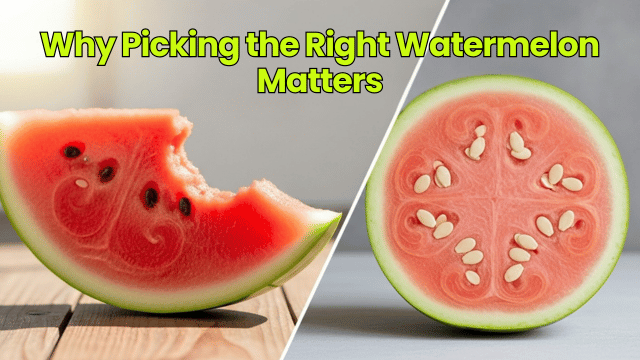
Watermelon looks tough, but it is dramatic inside. One wrong pick and the flavor disappears. The right watermelon is juicy, sweet, and refreshing. That is not negotiable in summer.
A good watermelon means more water, better sweetness, and cleaner ripeness. You want a ripe watermelon that tastes like sunshine. You do not want an underripe watermelon that crunches like a cucumber. Trust me on this.
The emotional investment we put into summer fruit runs deep because watermelon represents more than food. It represents cookouts, childhood memories, beach days, and celebration. When you bite into a perfectly ripe slice, the juice should run down your chin, the flesh should be crisp yet tender, and the sweetness should make you close your eyes for just a second.
A bad watermelon leaves you feeling cheated and disappointed, stuck with a massive fruit you cannot finish and regret you cannot shake. Learning to pick properly means you stop gambling with your money and start guaranteeing satisfaction every single time you shop.
Start With the Shape and Overall Look

I always start with shape. A round or slightly oval melon is a good sign. A perfect melon grows evenly on the ground. Weird lumps and irregular bumps usually mean uneven growth.
Avoid melons with bruises, cracks, or soft spots. The rinds should look dull, not shiny. Shiny skin often means underripe. Dull skin tells me the fruit had time to ripen properly.
When you approach the watermelon display, take a moment to scan the overall quality of the bunch. Notice which melons look symmetrical and well-formed versus those that appear misshapen or damaged. The shape tells a story about how the watermelon grew.
A melon that developed evenly received consistent sunlight, water, and nutrients throughout its growth cycle. Those irregular bumps and odd angles often indicate stress during growing, which can affect internal development and flavor distribution.
The surface condition matters just as much. A watermelon rind should have a matte finish that feels slightly waxy but not glossy. That dullness indicates the protective coating has fully developed, a sign that the fruit reached maturity on the vine rather than being picked prematurely for shipping convenience.
The Field Spot Is Your Best Friend

Let us talk about the field spot, also called the ground spot or yellow spot. This is where the watermelon sat on the ground in the sun. A creamy yellow spot is what you want.
If the field spot is white or very pale, walk away. That is an underripe watermelon. A deep yellow or orange-yellow spot shows real ripeness. This sign alone saves people from many bad picks.
The field spot develops over time as the watermelon rests in one position during its final growth stages. Think of it as a tan line for fruit. The longer it sat ripening in the field, the deeper and richer that yellow color becomes.
A white or pale green spot means the melon was picked too soon, before it had time to develop full sugar content and that signature watermelon flavor. I have seen people skip this step entirely, grabbing the first melon they see, only to complain later about bland taste.
The field spot check takes three seconds and dramatically improves your success rate. Look for a spot that ranges from buttery yellow to almost orange. The size of the spot matters less than the color depth. Even a small spot with rich yellow coloring indicates better ripeness than a large pale spot.
READ ALSO: 27 Productivity Killers: Why Nothing Ever Gets Done!
Weight Test Never Lies

Pick up the melon. Yes, actually lift it. A heavy watermelon is a juicy watermelon. Weight means more water inside, and more water means more flavor.
I always compare a bunch of similar sized melons. I choose the heaviest one every time. This simple trick helps you find a sweet watermelon without cutting it open.
Water content directly correlates with ripeness and taste quality in watermelons. As the fruit matures, it draws more moisture from the vine and converts starches into sugars, both processes that add weight. When you lift a melon that feels surprisingly heavy for its size, you are holding one that successfully completed this maturation process.
Conversely, a melon that feels light or hollow might look fine on the outside but often contains dry, mealy flesh inside. I make it a habit to lift at least three or four melons in the same size range before making my final choice.
Sometimes the difference is subtle, but that extra pound or two of weight can mean the difference between okay and outstanding. Do not be shy about this step. Other shoppers might look at you funny, but you will get the last laugh when your watermelon is perfect.
The Knock Test and Listening for Sounds

Now for my favorite part, the knock test. Use your knuckles and knock on the melon. You are listening for a hollow sound or deep sound. It should sound crisp, not dull.
A hollow sound means the inside is firm and juicy. A dull sound can mean overripe or mealy flesh. Yes, sounds matter. Watch people stare while you knock with confidence.
The knock test intimidates many shoppers because it seems subjective and mysterious, but with practice it becomes second nature. When you tap on a ripe watermelon, the sound should resonate slightly, producing a deep hollow tone that reverberates through the fruit.
This happens because the firm, juicy flesh inside acts like a drum, vibrating when struck. An underripe melon produces a higher-pitched, tight sound with little resonance because the flesh is too dense and compact. An overripe melon gives a dull, flat thud because the internal structure has begun breaking down into mush.
I recommend practicing this technique at home with watermelons you know are good so you train your ear to recognize the ideal sound. Knock on different parts of the melon too. A consistent sound across the surface indicates even ripeness throughout, while varying tones might suggest uneven development or internal issues.
Sugar Spots and Webbing Are Gold

Look closely at the surface. Sugar spots and webbing are signs of sweetness. These rough brown patches show where sugar leaked during growth. That is a good thing.
More sugar spots usually mean a sweeter melon. Do not confuse them with bruises. Webbing feels rough, not soft. This is one of my favorite pro tips.
Many shoppers see these brown marks and assume something went wrong, that the watermelon got damaged or diseased. The opposite is true. These spots form when bees pollinate the flowers and when the growing watermelon exudes sugar through its skin.
The marks look like rough, dry scars or web-like patterns spread across the green rind. They feel hard and crusty, completely different from the mushy give of a bruise. The presence of extensive webbing indicates the watermelon worked hard to develop sweetness, concentrating sugars throughout the flesh.
While a watermelon without these marks can still be good, one covered in sugar spots and webbing almost guarantees superior flavor. I specifically seek out melons that look a bit ugly with these markings because I know they prioritized taste over appearance.
Check the Stem Every Time

If the stem is still attached, check its color. A green stem means the melon was picked too early. That often leads to less flavor.
A dry, brown stem is better. It shows the vine finished feeding the fruit. Vine timing matters for ripeness and sweetness.
The stem serves as the watermelon's lifeline during growth, delivering water, nutrients, and the signals that trigger ripening. When you find a melon with a fresh green stem still firmly attached, it indicates the melon was cut from the vine rather than naturally separating when fully ripe.
Commercial farming often requires early harvest for shipping durability, which is why you see so many green stems at grocery stores. These melons might ripen slightly after picking, but they never achieve the same sugar development as vine-ripened fruit.
A brown, dried stem that looks shriveled tells a different story. This stem died naturally as the watermelon completed its growth cycle and detached from the vine. Some of the best watermelons have no stem at all, just a slightly indented area where the stem cleanly separated.
READ ALSO: How To Accept Other People’s Differences
Avoid These Clear Warning Signs

Never buy a melon with mushy spots. That usually means overripe or internal breakdown. Also skip melons with large cracks.
If the rind looks overly shiny, skip it. Shiny often equals underripe. If one side looks flat and odd, it may have grown unevenly.
Beyond these obvious red flags, watch for other subtle warning signs that indicate problems. Deep scratches or cuts in the rind can allow bacteria inside, leading to premature spoiling even if the melon looks fine when you buy it.
Melons with pronounced flat sides rather than gentle curves might have been stacked improperly during transport, potentially damaging the internal structure. Soft spots feel different from the overall firmness you want. Press gently on several areas of the melon. It should feel consistently firm with just a tiny bit of give.
Pay attention to any off smells too. A fresh watermelon should smell clean and slightly sweet if you sniff near the stem end. Any fermented, sour, or unusually strong odor suggests the fruit has passed its prime.
I have learned these lessons the hard way, bringing home melons that looked acceptable but revealed their flaws only after cutting. Now I inspect thoroughly before purchasing, and I am not afraid to set a questionable melon aside and keep looking until I find one that meets all my standards.
READ ALSO: Five Useful Tips for Healthy Grocery Shopping
My Personal Picking Routine

I scan for dull rinds first. Then I check the yellow spot. Next, I lift for weight. Then I knock and listen.
If it passes all four, it goes in my cart. I trust this system. It has saved many family gatherings and summer bites.
This routine takes less than a minute once you get comfortable with the process, but it dramatically improves your success rate. I start from a distance, scanning the entire display to eliminate obviously shiny or damaged melons before I even touch anything.
Once I narrow down to three or four possibilities, I flip each one to examine the field spot, immediately eliminating any with white or pale coloring. The remaining melons get the weight test, where I physically compare them against each other to find the heaviest.
Finally, I perform the knock test on my top choice, listening carefully for that perfect hollow resonance. If something feels off at any stage, I start over rather than settling. My family jokes about my watermelon ritual, but they also request that I handle all watermelon purchases because they trust my results.
How to Store and Eat After Picking

Do not leave watermelon on the counter too long. Store whole melons in a cool place. Once cut, refrigerate and cover.
Eat it fresh for best flavor. Cold slices taste extra refreshing. A good watermelon deserves respect after the pick.
Proper storage extends the life and quality of your carefully selected fruit. Whole watermelons can sit at room temperature for up to a week if kept in a cool spot away from direct sunlight, but refrigeration extends this to two weeks while also enhancing the refreshing quality of the flesh.
Once you cut into the melon, the clock starts ticking. Exposed flesh dries out and loses flavor quickly, so wrap it tightly in plastic wrap or store it in airtight containers. Cut watermelon lasts three to five days in the fridge but tastes best within the first two days.
I like to cut my watermelon into cubes or slices right after bringing it home, storing serving-sized portions that make healthy snacking convenient throughout the week. For the best eating experience, let refrigerated watermelon sit at room temperature for about 10 minutes before serving.
This slight warming releases more aroma and intensifies the flavor while keeping the flesh cool and refreshing. You can also freeze watermelon cubes for smoothies or as ice cubes in drinks, though freezing changes the texture and makes it unsuitable for eating fresh. When you have invested the time to pick the perfect watermelon, proper storage and timely consumption ensure you enjoy every bit of that sweet, juicy reward.








 English (US) ·