.png)
 3 months ago
38
The Middle East oil tanker crisis has escalated to its worst levels since the start of the Iran war, with analysts warning of an increasingly complex situation for shipping companies. A recent spate of attacks on alternative shipping routes has left oil tankers facing a perfect storm of threats, including rising tensions between global powers, economic sanctions, and a volatile regional security landscape.
Background & Context
The Middle East has long been a critical hub for global oil trade, with many of the world's largest oil producers located in the region. However, the ongoing conflict between Iran and the West has created a highly volatile environment, with multiple actors vying for influence and control. The threat to oil tankers in the region has been a growing concern for several years, but the recent surge in attacks on alternative shipping routes has taken the situation to a new level of crisis.
The Middle East is home to some of the world's most critical oil shipping lanes, including the Strait of Hormuz, which connects the Persian Gulf to the Gulf of Oman. The Strait is a narrow waterway that separates Iran and Oman and is a critical chokepoint for oil exports from the region. Any disruption to shipping through the Strait would have significant implications for global energy markets, potentially leading to price spikes and supply chain disruptions.
Key Details
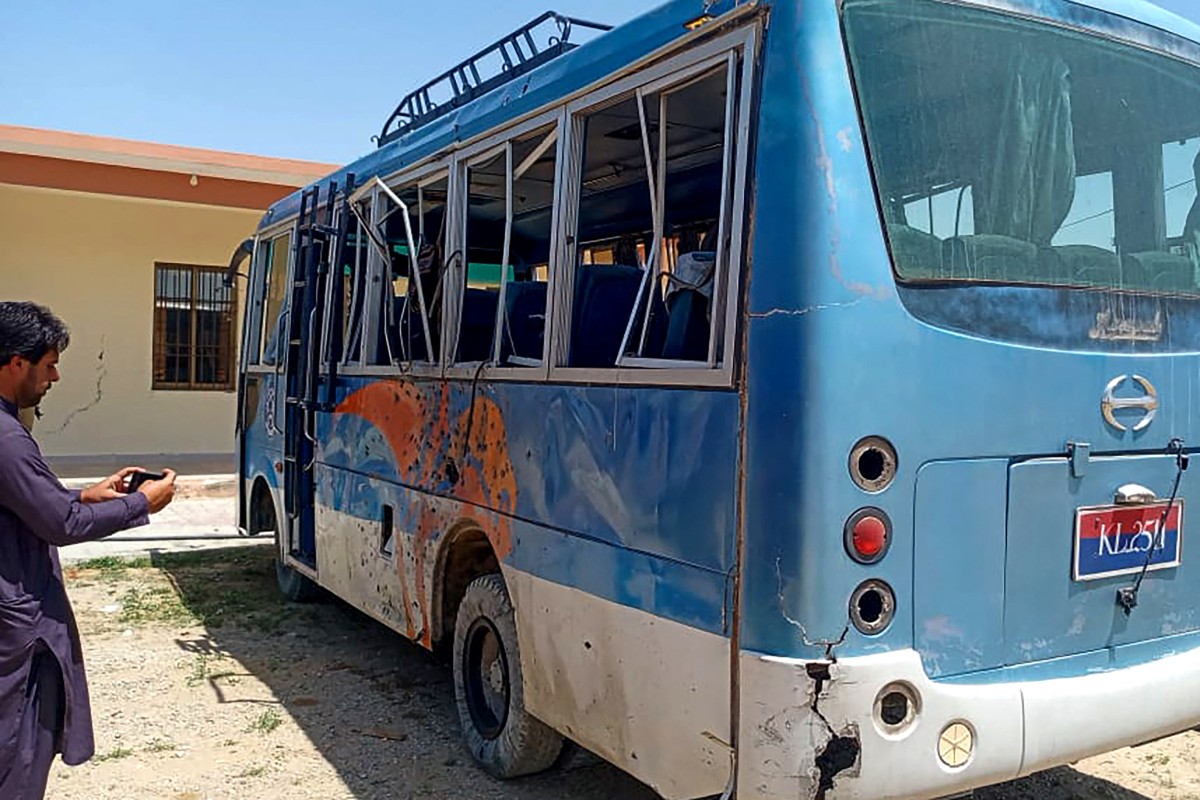
According to analysts, the recent attacks on alternative shipping routes have left oil tankers facing a significant threat. In the past month alone, there have been at least five reported incidents of attacks on oil tankers in the region, with several vessels damaged or sunk. The attacks have been carried out using a range of tactics, including rocket-propelled grenades, anti-ship missiles, and even drone strikes.
The attacks have been attributed to various groups, including Iranian-backed militias, Houthi rebels in Yemen, and even pirate groups operating in the region. However, analysts warn that the true culprit behind the attacks may be more complex and nuanced, with multiple actors potentially involved in the sabotage efforts.
"The situation in the Middle East is rapidly deteriorating, and the threat to oil tankers is just one symptom of a larger crisis," said Dr. Sarah Jenkins, a leading expert on Middle East security. "The region is a powder keg, with multiple actors vying for influence and control. It's only a matter of time before things escalate further."
What Experts Say
Analysts warn that the threat to oil tankers in the Middle East has significant implications for global energy markets. With many of the world's largest oil producers located in the region, any disruption to shipping would have significant implications for supply chains and prices.
"The Middle East is a critical hub for global oil trade, and any disruption to shipping in the region would have significant implications for energy markets," said Dr. James Wilson, a leading expert on energy markets. "We're seeing a perfect storm of threats to oil tankers in the region, including rising tensions between global powers, economic sanctions, and a volatile regional security landscape."
Dr. Jenkins added that the situation in the Middle East is further complicated by the ongoing conflict between Iran and the West. "The Iran-US conflict has created a highly volatile environment in the region, with multiple actors vying for influence and control," she said. "It's only a matter of time before things escalate further, and we see a significant increase in attacks on oil tankers."
Key Takeaways
- The Middle East oil tanker crisis has escalated to its worst levels since the start of the Iran war.
- Recent attacks on alternative shipping routes have left oil tankers facing a perfect storm of threats, including rising tensions between global powers, economic sanctions, and a volatile regional security landscape.
- The threat to oil tankers in the region has significant implications for global energy markets, with many of the world's largest oil producers located in the region.
- Analysts warn that the situation in the Middle East is rapidly deteriorating, with multiple actors vying for influence and control.
What This Means For You
The threat to oil tankers in the Middle East has significant implications for everyday readers, particularly those who rely on oil for transportation or other essential services. With the region facing a highly volatile security environment, there is a risk of price spikes and supply chain disruptions that could impact consumers.
"The situation in the Middle East is a reminder of the complex and often volatile nature of global energy markets," said Dr. Wilson. "We need to be prepared for any eventuality and take steps to mitigate the risks associated with the threat to oil tankers in the region."
In light of the crisis, we recommend that consumers and businesses take steps to prepare for any potential disruptions to oil supplies. This may include stockpiling fuel, diversifying supply chains, and investing in alternative energy sources.
As the situation in the Middle East continues to unfold, it's clear that the threat to oil tankers is just one symptom of a larger crisis. We will continue to monitor the situation and provide updates as necessary.






 English (US) ·