.png)
 10 hours ago
5
10 hours ago
5
Reform on the Horizon: Sabah Pushes for BUDI Diesel Subsidy Overhaul
Sabah is on the cusp of a major breakthrough in its quest for a revised BUDI targeted diesel subsidy scheme, with the state government and federal ministries engaged in intensive discussions to address the concerns of farmers and rural communities. As the clock ticks towards a potential solution within the next two to three weeks, the people of Sabah can finally see a glimmer of hope on the horizon.
Background & Context
The BUDI diesel subsidy scheme, launched to alleviate the financial burden on Malaysians, has been met with resistance from Sabahans due to its impact on the state's unique geography and rural communities. The scheme's reliance on MyKad verification and registered vehicle ownership has created a ripple effect, disproportionately affecting farmers, fishermen, and small business owners in the state.
The implementation of the BUDI scheme has been marred by complaints of subsidy leakages, with many questioning the fairness of shifting the burden onto those who are least able to afford it. As the state government and federal ministries engage in discussions to address these concerns, it becomes clear that a tailored approach is necessary to cater to Sabah's distinct needs. The state's vast geography and long travel distances result in fuel consumption patterns that differ significantly from those in Peninsular Malaysia, making a one-size-fits-all solution ineffective.
Key Details
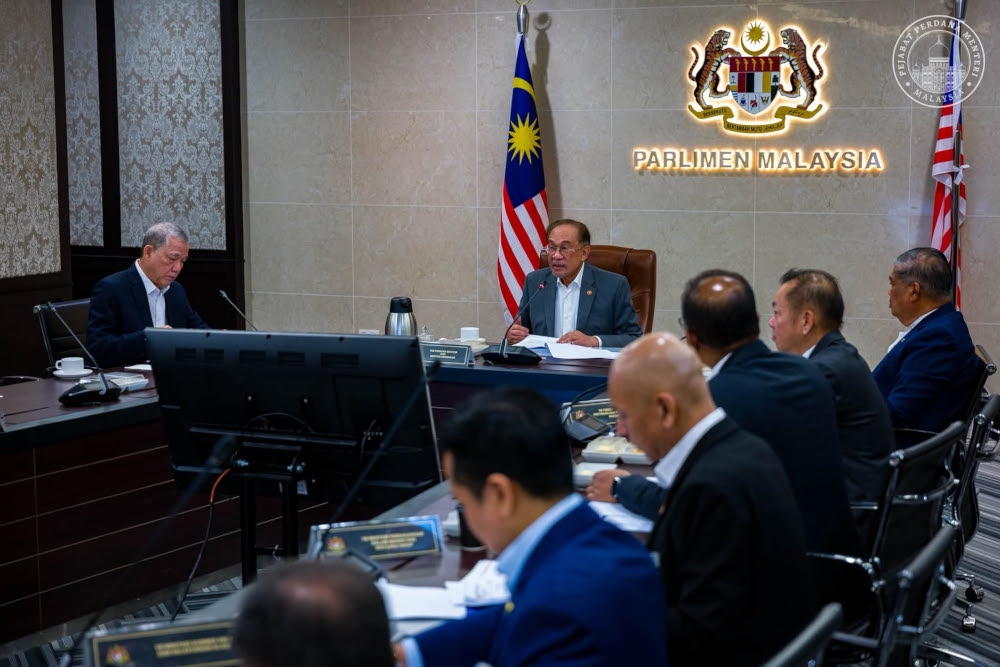
State Agriculture, Fisheries and Food Industry Minister Datuk Jamawi Jaafar presented a comprehensive report to the State Cabinet on the impact of the BUDI scheme on Sabahans. The report highlighted the struggles faced by farmers, farm machinery owners, pickup truck owners, and young people who rely on these vehicles for work and business. The Chief Minister took the matter seriously, instructing the State Cabinet to invite the Ministry of Finance and KPDN to conduct briefing and engagement sessions with civil servants and government elected representatives.
The first session is scheduled to take place on Friday at Menara Kinabalu, involving heads of state departments, while a second session will be held on Sunday, this time with government assemblymen in attendance. The meetings aim to provide the federal government with a clearer understanding of the realities on the ground, allowing for a more informed decision-making process.
Jamawi emphasized the need for a more tailored approach, stating that Sabah's geography and fuel consumption patterns are distinct from those in Peninsular Malaysia. He highlighted the challenges faced by farmers and rural communities, arguing that the burden should not be shifted onto them due to subsidy leakages. The minister's words serve as a stark reminder that the BUDI scheme's impact is not just a financial issue but also a social and economic one.
What Experts Say
Experts argue that a revised BUDI scheme should prioritize the unique needs of Sabah and its people. They stress the importance of considering the state's vast geography, long travel distances, and distinct fuel consumption patterns when formulating a new subsidy scheme. A tailored approach would not only alleviate the burden on farmers and rural communities but also promote economic growth and development in the state.
The reform of the BUDI scheme is not just a Sabah-centric issue but also has broader implications for the nation. It serves as a reminder that policies must be designed with the unique needs of each state and community in mind. By doing so, the government can ensure that the benefits of subsidies are equitably distributed and that no one is left behind.
Key Takeaways
- The state government and federal ministries are engaged in discussions to address the concerns of farmers and rural communities regarding the BUDI diesel subsidy scheme.
- The scheme's impact on Sabah's unique geography and fuel consumption patterns has been a major point of contention.
- A revised BUDI scheme should prioritize the needs of Sabah and its people, considering the state's vast geography and long travel distances.
- The reform of the BUDI scheme has broader implications for the nation, serving as a reminder that policies must be designed with the unique needs of each state and community in mind.
What This Means For You
The reform of the BUDI scheme has significant implications for the people of Sabah. If successful, it could alleviate the financial burden on farmers and rural communities, allowing them to focus on their livelihoods and contribute to the state's economic growth. For the rest of Malaysia, the reform serves as a reminder that policies must be designed with the unique needs of each state and community in mind.
As the clock ticks towards a potential solution, the people of Sabah can finally see a glimmer of hope on the horizon. The reform of the BUDI scheme is a testament to the power of engagement and collaboration between the state government and federal ministries. It serves as a reminder that, together, we can create a more equitable and just society for all Malaysians.






 English (US) ·