.png)
 7 hours ago
2
7 hours ago
2
When you hear “Microsoft,” what comes to mind? I'm guessing it's probably a combination of Windows, software, and a huge global presence. But let me stop you right there. Microsoft is so much more than that. It's one of those companies that flies under the radar. Yet it quietly dominates the tech world in ways most people don't even realize. From cloud computing to artificial intelligence, Microsoft is an unassuming powerhouse in tech.
Other tech giants grab headlines with flashy product launches and controversial decisions. Meanwhile, Microsoft steadily builds its empire through strategic innovation and enterprise dominance. The company's quiet approach to power doesn't make it any less influential. In fact, it might be the very reason they've embedded themselves so deeply into modern technology. Their products don't just serve consumers. They form the invisible backbone of global commerce, education, healthcare, and government operations. Ready to see how it pulls the strings of the digital world? Let's get into it.
Introduction to Microsoft
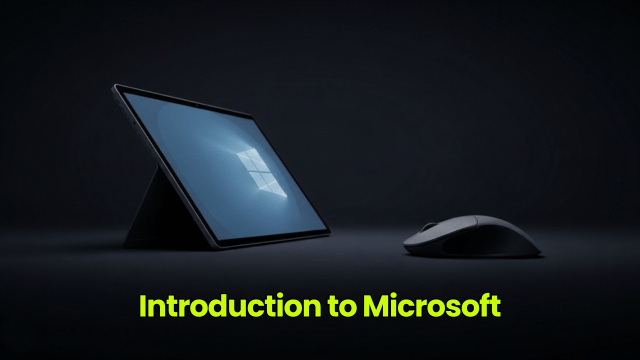
Microsoft is a global technology powerhouse headquartered in Redmond, Washington. Its influence stretches across nearly every aspect of modern digital life. Bill Gates and Paul Allen founded the company in 1975. Since then, it has grown from a small software developer into a force that shapes the future of technology. Microsoft has a mission to empower every person and every organization to achieve more. The company has consistently driven innovation in software, cloud computing, and artificial intelligence.
The Windows operating system remains a cornerstone of the company's legacy. Microsoft Teams has redefined how organizations collaborate and communicate. What sets Microsoft apart is its ability to adapt and evolve with changing technological landscapes. The company has navigated the personal computer revolution, the internet age, mobile computing, cloud services, and now artificial intelligence. The company's longevity isn't just about survival. It's about continuous reinvention while maintaining the core values that made it successful.
Today, Microsoft's products and services weave into the fabric of daily life for billions. They support businesses, individuals, and entire industries as they navigate the ever-evolving world of technology. Their quiet power lies not in dominating consumer attention. Instead, it lies in becoming indispensable to how the world operates.
READ ALSO: How Society Helps Entrepreneurs Succeed
Microsoft and the Windows Empire
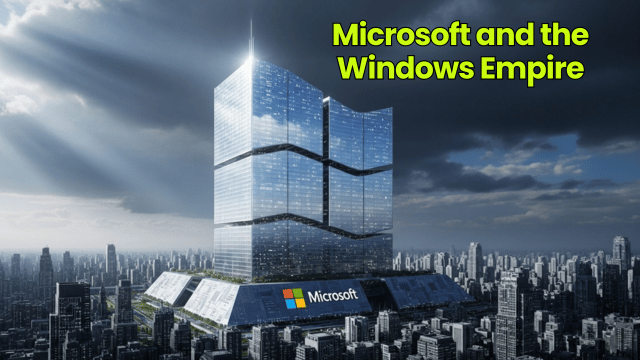
Let's start with the obvious. Microsoft's legacy builds on its Windows operating system. It's the bedrock of the company, the classic symbol of the digital age. Think about how many devices and computers run Windows. The number includes PCs, laptops, tablets, and gaming hardware. The total is staggering. Whether you're in the office working on Microsoft 365 or playing games on your computer, Windows powers a vast ecosystem of devices.
This operating system has become so ubiquitous that most people don't even think about it. It's simply there, quietly running in the background of their digital lives. Windows integrates seamlessly with Microsoft 365, OneDrive, and Microsoft Edge. This creates a consistent user experience across devices. Windows 11 offers optimization for modern workflows and enhanced hardware security. It provides users with advanced features for productivity and protection.
And let's not forget the power of Windows Server. It quietly supports businesses worldwide. It's the backbone of many enterprise systems, providing critical services and infrastructure. Windows Hello and TPM 2.0 provide advanced security on Windows devices. Don't be fooled by its subtlety. This operating system is a workhorse that keeps the tech world running smoothly.
Consumers interact with the desktop version. Meanwhile, Windows Server powers countless corporate networks, databases, and web services around the globe. Microsoft 365 is the industry standard for business and personal productivity. The suite includes Word, Excel, PowerPoint, Outlook, Teams, and SharePoint. Microsoft regularly updates all applications with new features.
The Microsoft Cloud: The New Game Changer

Now, I know cloud computing isn't exactly new. But let's talk about Microsoft Azure. The company's AI-first cloud computing platform has rapidly evolved into a serious competitor to Amazon Web Services (AWS). Azure runs on a global network of servers. Developers use it to build, deploy, and manage applications at scale. Cloud computing has become a juggernaut. Microsoft sits at the very heart of it.
Azure isn't just a cloud service. It's a tool for enterprises and developers to develop, manage, and deploy their apps on a global scale. What makes Azure particularly powerful is its integration with Microsoft's existing enterprise ecosystem. Companies already use Windows Server, SQL Server, and Microsoft 365. They can transition to cloud services with minimal disruption.
Azure offers a wide range of online services and subscription-based models. These include Microsoft 365 Commercial and Consumer subscriptions. These subscriptions provide access to software, cloud services, and continuous updates. They eliminate high upfront costs and offer predictable operating expenses. Azure supports various workloads, including AI, IoT, and enterprise solutions. It provides extensive cloud infrastructure and AI services for developers.
Microsoft has developed custom-designed computing chips for Azure. These chips enhance performance for cloud services. This demonstrates their commitment to controlling every aspect of the cloud computing stack. The platform includes products such as Microsoft SQL Server and Visual Studio. It offers scalable cloud solutions for businesses of all sizes.
Microsoft Teams: The Unsung Hero of Remote Work
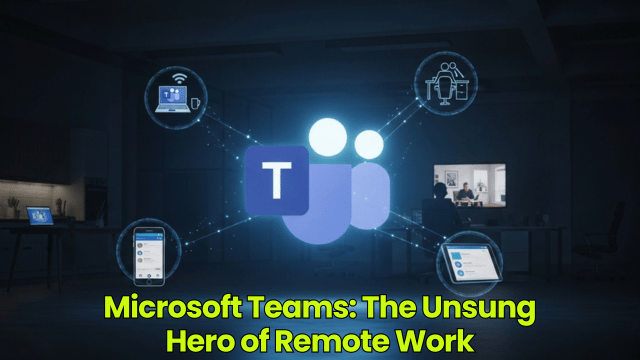
I can already hear you saying, “What about Microsoft Teams?” That's right. Teams has quietly become the operating system for communication in the modern workplace. Users access Teams through their Microsoft account. This enables secure collaboration and access to organizational resources. In the age of remote work, Teams has become the go-to hub for collaboration. It's one of the biggest franchises Microsoft has built in recent years. While it's not as flashy as a social media app or a trendy new startup, it's solid.
The platform emerged at exactly the right moment. Organizations worldwide needed to adapt to remote work during the global pandemic. Teams provided a comprehensive solution that felt familiar to anyone already using Microsoft products. Microsoft also announced end-to-end encryption support for Teams calls. This enhances security in business communications.
AI business tools keep evolving. Teams is constantly improving. It makes business operations more efficient and helps companies manage teams from across the globe. What makes Teams particularly powerful is its deep integration with the entire Microsoft 365 ecosystem. Users can seamlessly access SharePoint documents. Users can schedule meetings through Outlook. Collaboration on Excel spreadsheets happens seamlessly within the platform. PowerPoint presentations can also be delivered without ever leaving the Teams interface.
AI Diffusion: The Power of Microsoft's AI Infrastructure

Speaking of AI business, let's talk about the quieter revolution happening at Microsoft. AI diffusion is still in its beginning phases. Yet Microsoft has already achieved significant progress and business growth. As of mid-2025, Microsoft positions itself as a leader in AI infrastructure and enterprise software. The company has been a huge force behind the development of artificial intelligence. This technology is changing industries from finance to healthcare.
Microsoft's AI infrastructure supports massive-scale deployments. The industry-leading inference efficiency it provides has made it the go-to choice for large enterprises. Some competitors focus primarily on consumer-facing AI applications. Microsoft has strategically positioned itself as the backbone provider for AI services. It offers the computing power, development tools, and infrastructure that other companies need. These companies use Microsoft's tools to build their own AI solutions.
One of the most exciting developments in Microsoft's AI ecosystem is Maia. This is the newest AI accelerator. This powerhouse tool improves memory bandwidth. It pushes the limits of machine learning and natural language processing. With advancements like these, Microsoft is pushing the boundaries of what's possible with AI. The company ensures it stays at the forefront of AI diffusion across industries.
Microsoft develops custom silicon specifically optimized for AI workloads. In doing so, it follows the same playbook that made them successful with Azure. The company controls the entire stack from hardware to software to services. This vertical integration allows them to optimize performance and reduce costs. It lets them offer capabilities that competitors relying on third-party chips simply cannot match.
READ ALSO: Video Tutorial: 10 Excel Tips that Speed up Spreadsheets
Microsoft's Meaningful Innovation: More Than Just Tech
Microsoft is all about meaningful innovation. Sure, they may have the biggest software empire in the world. But they don't stop there. Their mission is to empower every person and every organization on the planet to achieve more. Meaningful innovation contributes to positive societal impact. Microsoft places this at the core of its mission. For example, Microsoft aims to be carbon-negative by 2030. The company is increasing its renewable energy procurement. These are clear examples of how meaningful innovation contributes to a brighter, more sustainable world. Whether it's developing tools for nonprofits or advancing sustainability through tech, Microsoft is making waves. The company's impact extends beyond just product offerings.
This commitment to meaningful innovation reflects a maturity that comes from being a tech industry veteran. Microsoft has learned that long-term success requires more than just profitable products. It requires being a responsible corporate citizen that contributes positively to society. For example, they've focused on providing solutions that support the broad GDP impact of nations through business transformation. They know that it's not just about selling products. It's about solving real-world problems. And let me tell you – the technology they've created isn't just for big companies.
Microsoft's mission is about leveling the playing field. It's about ensuring that even the smallest business can access the tools it needs to thrive. This democratization of technology is part of Microsoft's quiet power. They don't create exclusive, elite products accessible only to those who can afford premium prices. Instead, they offer scalable solutions with flexible pricing. These solutions make enterprise-grade software available to organizations of all sizes.
Microsoft's Data and Security Advantage

As we move deeper into the digital age, data and security have become top priorities. Microsoft is stepping up its game in a big way. They're not just about offering cloud services. They're also ensuring that those services are secure and resilient. With Microsoft's cutting-edge security infrastructure, businesses can rest easy. They know that their data is protected. When it comes to security, Microsoft is a force to be reckoned with. From advanced threat protection to proactive data management, the company has built a suite of tools. These tools ensure businesses stay secure as they scale. With Microsoft 365, you get end-to-end security built into your everyday work.
No need to rely on separate apps or platforms. Microsoft has you covered. The company's security advantage stems from decades of experience defending against cyber threats. As one of the world's largest software companies, Microsoft has always been a primary target for hackers. This has forced them to develop sophisticated security capabilities. Microsoft's security approach is comprehensive. It covers everything from identity management and access control to threat detection and incident response. Their Security Intelligence team monitors billions of signals daily across their global infrastructure. They use AI and machine learning to identify emerging threats before they can cause widespread damage.
Microsoft then integrates this intelligence into their products. This provides customers with protection that's constantly updated based on the latest threat landscape. The quiet power of Microsoft's security infrastructure is that it works invisibly in the background. Most users never see the countless attacks that are blocked every day. They don't see the malware that's detected and quarantined. They don't see the suspicious activities that are flagged for review.
The Microsoft Edge in Search and Advertising
You may have noticed that Microsoft's search capabilities are growing more impressive. It's all thanks to their Bing search engine and a strategic partnership with LinkedIn. As the second largest search engine on the planet, Bing is stepping up its game. It offers features like Microsoft's search advertising network. And don't even get me started on the advertising ecosystem. Microsoft's ads are becoming a serious competitor to Google Ads. With a massive reach through its Microsoft 365 suite and even Xbox consoles, Microsoft has built an advertising empire that can't be ignored. So whether you're running a campaign on LinkedIn or trying to drive traffic through Bing, Microsoft's advertising infrastructure is a tool that businesses are leveraging more and more.
In 2019, Microsoft entered a strategic partnership with OpenAI. This move helped the company become a leader in generative AI. This technology is now influencing its search and advertising capabilities. Make sure to watch for new updates and trends in Microsoft's search and advertising platforms. Stay ahead in the industry. The integration of AI into Bing search represents Microsoft's most aggressive move yet to challenge Google's dominance in search. They offer AI-powered answers and conversational search experiences. They're betting that users will value intelligence and usefulness over simple link listings. This strategy leverages Microsoft's strengths in AI infrastructure and enterprise software. It attacks the foundation of Google's business model. The advertising implications are significant. Search is becoming more conversational and AI-driven. Traditional keyword-based advertising may evolve into something new. Microsoft positions itself to lead that evolution.
The Microsoft Touch: Shaping User Experience

When it comes to user experience, Microsoft has always been a step ahead. The company blends meaningful innovation with practical design. The company's commitment to creating intuitive and powerful solutions shows in products like Windows Server, Microsoft 365, and Azure. These tools have transformed the way organizations operate. They make collaboration, management, and communication seamless and efficient. Microsoft's focus on artificial intelligence and AI diffusion is pushing the boundaries of what's possible. The newest AI accelerator, Maia, sets new standards for industry-leading inference efficiency and memory bandwidth. Microsoft integrates advanced AI into its software and services. The company is not just keeping up with the times. It's setting the pace for the entire industry.
Microsoft's user experience philosophy centers on consistency, familiarity, and progressive enhancement. They introduce new capabilities gradually while maintaining the core interactions that users have learned over years of experience. This approach may seem conservative compared to competitors who completely redesign their interfaces every few years. But it reflects Microsoft's understanding of their customer base. Enterprise users value stability and predictability. They need their tools to work reliably without requiring constant retraining. Microsoft makes incremental improvements rather than revolutionary changes. This ensures that productivity gains from new features aren't offset by disruption and learning curves. This is another aspect of their quiet power. They prioritize substance over style, functionality over flashiness.
READ ALSO: 9 Free Programs That'll Help You Build a Side Business
Microsoft's Global Impact: Philanthropy and Social Responsibility

Beyond its technological achievements, Microsoft is deeply committed to making the world a better place. The company's mission to empower every person and every organization to achieve more shows in its extensive philanthropic and social responsibility initiatives. Microsoft supports education and healthcare. It advances environmental sustainability and disaster relief. The company's services and resources are dedicated to creating a brighter world for all. The company's global reach allows it to make a meaningful impact. It inspires positive change and empowers communities worldwide. Microsoft focuses on the future and invests in programs that uplift people and organizations. The company continues to lead by example. It proves that technology can be a powerful force for good.
Microsoft's social responsibility initiatives span numerous areas. These include digital skills training programs that help prepare workers for technology-driven jobs. Broadband access initiatives bring internet connectivity to underserved rural communities. AI for Good programs apply artificial intelligence to challenges like climate change, accessibility, humanitarian action, and cultural heritage preservation. The company has committed to major sustainability goals. These include becoming carbon negative, water positive, and zero waste by 2030. Microsoft provides transparent reporting on progress toward these targets. Their quiet power in philanthropy comes from sustained, long-term commitments rather than flashy one-time donations. They're building infrastructure, training workers, and developing sustainable programs. These programs will continue creating value long after initial investments.
Counting the Quiet Billions: Microsoft's Financial Performance

Microsoft's financial results speak volumes about its enduring strength and influence in the tech industry. The company consistently posts strong quarterly results. A diverse portfolio drives this success. It includes Windows, Office, and a rapidly expanding cloud computing and AI business. Microsoft's strategic investments in AI infrastructure and development have paid off. The Wall Street Journal highlighted the substantial growth of its AI business. This financial success builds on a commitment to meaningful innovation. This ensures that Microsoft remains at the forefront of artificial intelligence and cloud technology.
The diversity of Microsoft's revenue streams provides remarkable stability. Even if one product line faces challenges, others compensate. This creates a business model that's resilient across different economic conditions and technology cycles. Their subscription-based revenue model provides predictable recurring income. This is particularly true for Microsoft 365 and Azure. Financial markets value this highly. The transition from selling perpetual software licenses to offering cloud-based subscriptions has transformed Microsoft's financial profile. It creates steady revenue growth and improves customer retention.
The Brighter World of Microsoft's Future
What does the future look like for Microsoft? Well, if we're being real, it's incredibly bright. With their continued focus on innovation, AI, and cloud computing, Microsoft positions itself as the force that will lead tech into the next era. They create tools that empower businesses to innovate. They constantly improve their operating systems. Microsoft is cementing itself as a cornerstone of the tech world. As they keep expanding their enterprise services and improving collaboration tools, there's no telling how much further they'll go. In a world where tech giants battle for dominance, Microsoft is often the silent powerhouse. It's steady, consistent, and always pushing the envelope. Whether it's through Microsoft Teams, AI infrastructure, or cloud services, this company is shaping the future of technology, one quiet step at a time.
The company's future strength lies in the same quiet power that has served them for decades. This includes deep integration across their product portfolio. It includes strong relationships with enterprise customers. It includes patient, strategic thinking that prioritizes sustainable advantage over quick wins. Artificial intelligence is becoming increasingly central to every aspect of computing. Microsoft's early and substantial investments in AI infrastructure position them to be essential providers of the tools and services that enable the AI revolution. Their ability to embed AI capabilities across their entire product line creates a cohesive ecosystem. This includes Windows, Office, Azure, and Teams. AI enhances everything users do, rather than existing as separate, disconnected features.








 English (US) ·