.png)
 52 minutes ago
2
52 minutes ago
2
GEORGE TOWN, Sept 27 — For the first time in over five decades, Pesta Pulau Pinang will not be held on the grounds Penangites have long called home.
The festival’s longtime site in Sungai Nibong has been closed to make way for construction of the Mutiara Line light rail transit (LRT) station and depot, forcing this year’s edition to relocate temporarily to Kubang Menerong in Tasek Gelugor.
December 2025 marked the last time Pesta was held at Sungai Nibong.
The site is also earmarked for a proposed Transit-Oriented Development Masterplan covering about 23.47 hectares — a long-term, mixed-use transit hub envisioned to take between 10 and 15 years to complete, incorporating residential, commercial and public facilities around an integrated transport network.
The plan does include a Pesta component, but on a smaller scale.
It’s a significant break from tradition for a festival that has anchored the earliest memories of generations of Penangites since the Sungai Nibong site first opened its doors in 1974.
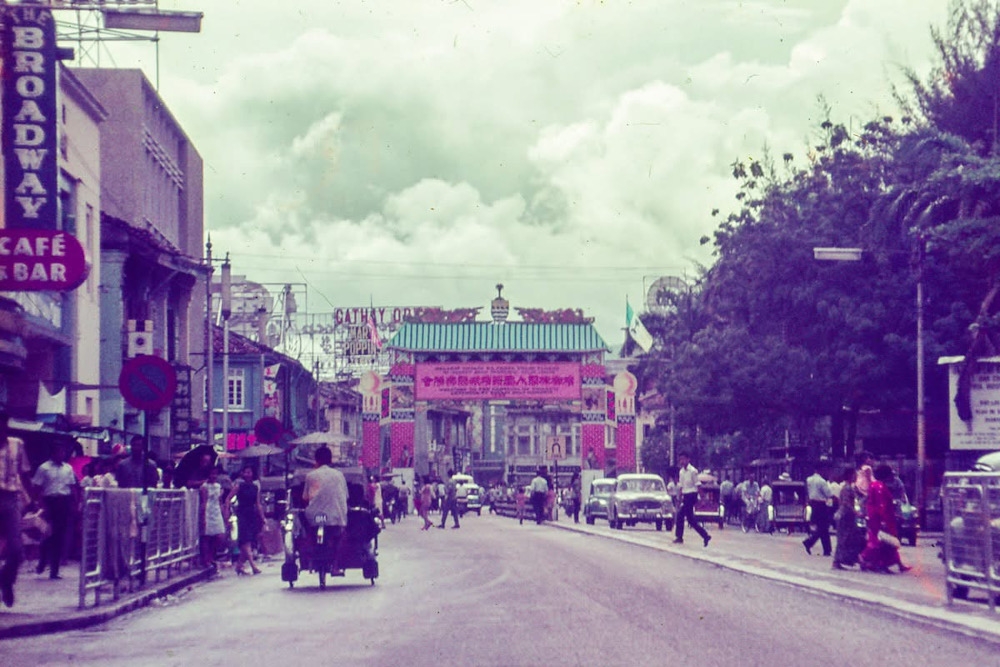
Years before that permanent home was built, Pesta Pulau Pinang started as a commerce and tourism festival held in the inner city of George Town.
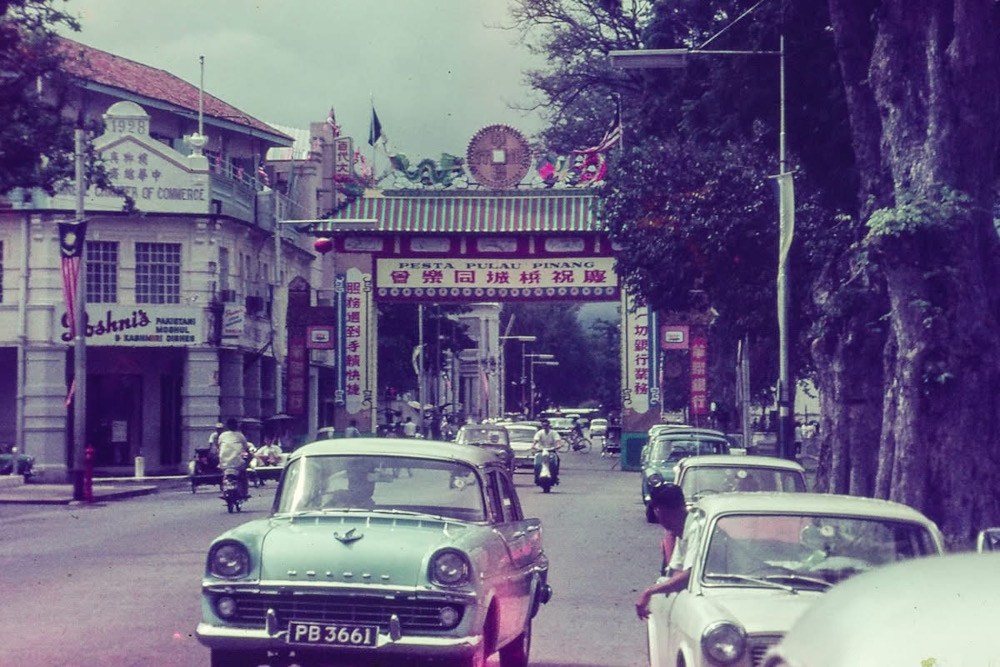
Penang was grappling with high unemployment and an uncertain investment climate following the loss of its free-port status in the late 1960s, so then-chief minister Tun Dr Lim Chong Eu introduced the festival as a way to stimulate retail activity.
The first Pesta Pulau Pinang was aimed at providing opportunities for traders while simultaneously promoting Penang as a tourist destination.
Interestingly, the late SM Mohamed Idris, widely known as the president of the Consumers Association of Penang, chaired the first Pesta organising committee.
The very first Pesta Pulau Pinang in 1966 showcased up to 100 traders with an emphasis on consumer products, business goods and industrial exhibits, and was held at Padang Kota Lama, or Esplanade.
The festival was also the year the Chingay procession was reintroduced, adding a carnival-like atmosphere to the event.
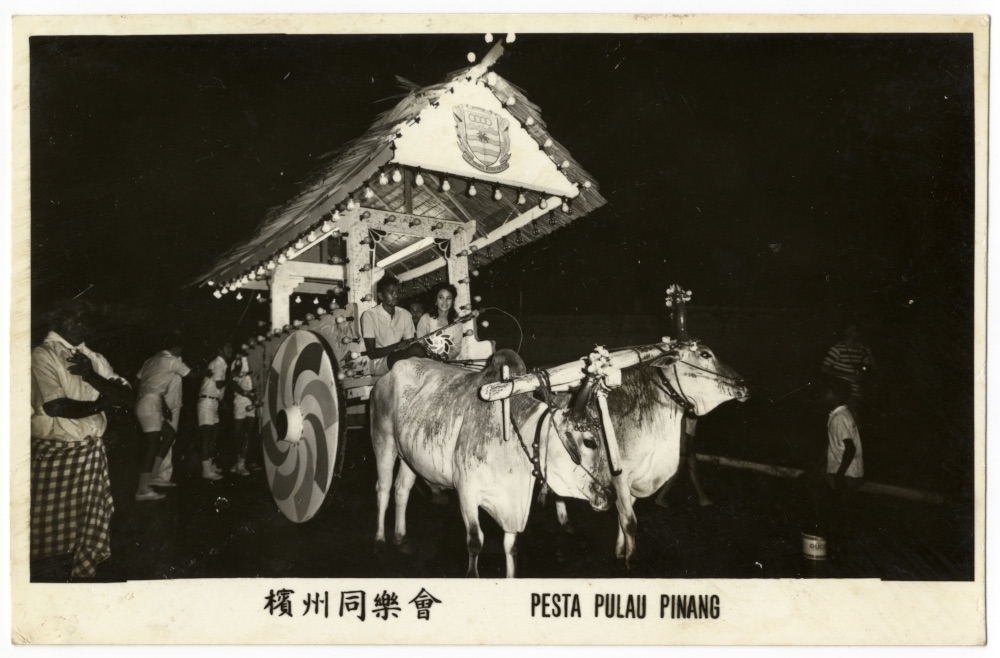
Among those who visited the first Pesta in 1966 was Laurence Bean, who took some photos of his visit.
Though he could not remember much about that visit, he recalled being there on the same evening the Raja Permaisuri Agong was visiting the festival.
Pesta Pulau Pinang did not have a permanent site then, and was also held at Lebuh Macallum after the success of the first Pesta at Esplanade.
The state government eventually decided to build a dedicated Pesta site in Sungai Nibong, officially opened in 1974.
From there, Pesta began introducing a variety of programmes beyond the industrial and trade fair to draw crowds: open-air concerts, variety shows, food bazaars, exhibitions, pet shows, beauty pageants, film festivals and fashion shows, alongside traditional entertainment such as joget and wayang kulit, funfairs and sporting events including a go-kart prix.
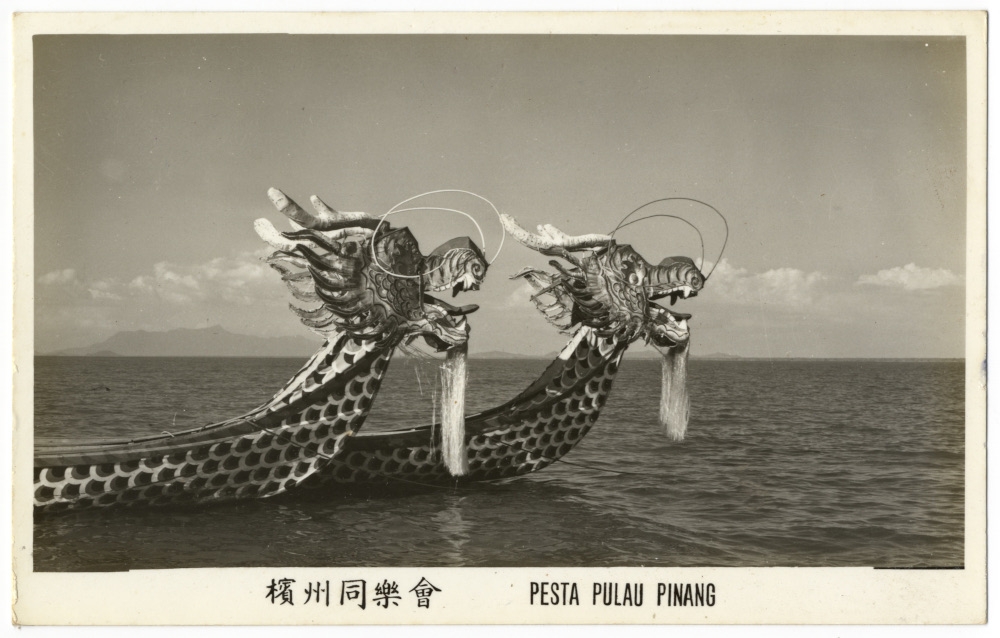
A dragon boat race held in conjunction with Pesta used to take place off Gurney Drive.
The month-long festival became a huge draw, attracting visitors from other states as well as southern Thailand and Indonesia.
Held during the annual year-end school holiday, Pesta became a popular destination for Penangites and families to browse the trade fair for cheap bargains, eat at the food bazaar, or enjoy the rides, games and haunted house.
The 8.14-hectare site expanded over the years to include permanent stalls, performance arenas, parking areas, a surau, toilets, a miniature garden, automated teller machines and pavilions occupied by state agencies.
International pavilions representing Thailand, Aceh, North Sumatra and West Sumatra showcased food, clothing and other products from neighbouring territories.
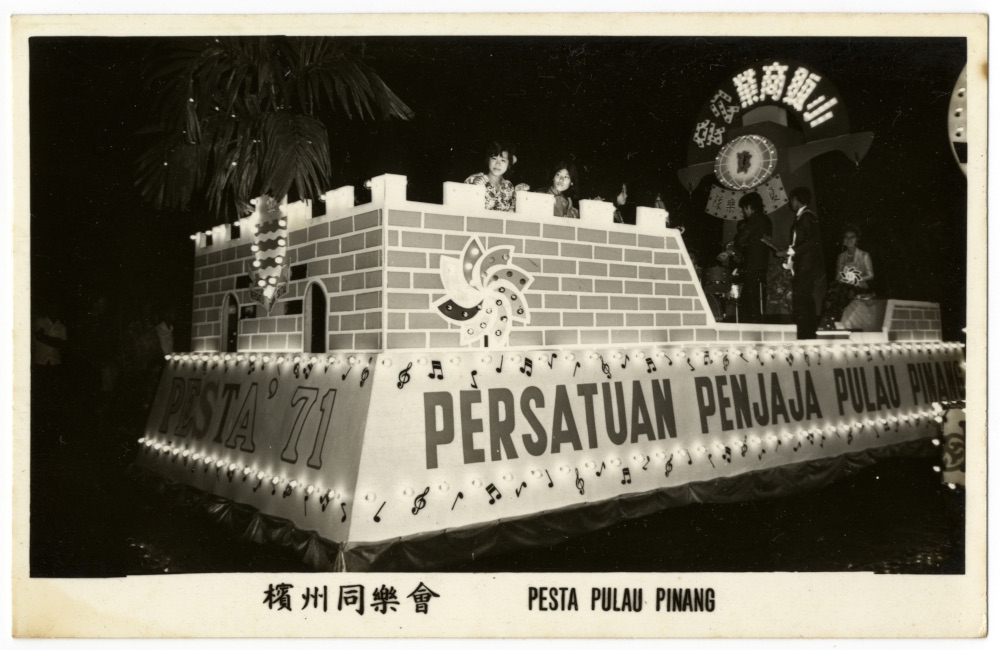
As visitors slowly diminished over the years due to new shopping centres and other forms of entertainment, Pesta evolved to keep drawing crowds — adding performances by Malaysian recording artistes, Battle of the Bands, cat shows, silat competitions, muay thai demonstrations, boxing matches, armed forces exhibitions, e-sports tournaments and mobile petting zoos.
The funfair remained one of its most recognisable components, with attractions such as the Euro Wheel, Vortex, Sky Rider, Daytona and roller coasters set against the brightly illuminated grounds.
Recent editions also featured boria performances, colouring competitions, Bollywood-themed programmes and nightly concerts, maintaining the festival’s mix of local culture and popular entertainment.
Throughout its evolution, the fair continued to provide a marketplace for small and medium enterprises, local traders and government agencies, preserving part of its original economic purpose even as entertainment became increasingly central to the event.
Pesta was cancelled only twice – in 2020 and 2021, due to the Covid-19 pandemic – before returning in 2022.
This year’s move to Tasek Gelugor marks its biggest disruption yet.





 English (US) ·